

Long transplant waiting lists raise concern; experts call for making organ donation a social responsibility and a commitment to saving lives
New Delhi: Arun Sharma
Despite significant advances in modern medical facilities and organ-transplant technology, the availability of organs for patients in need remains a major challenge in India. Thousands of patients are waiting for kidney, heart, liver and other organ transplants.
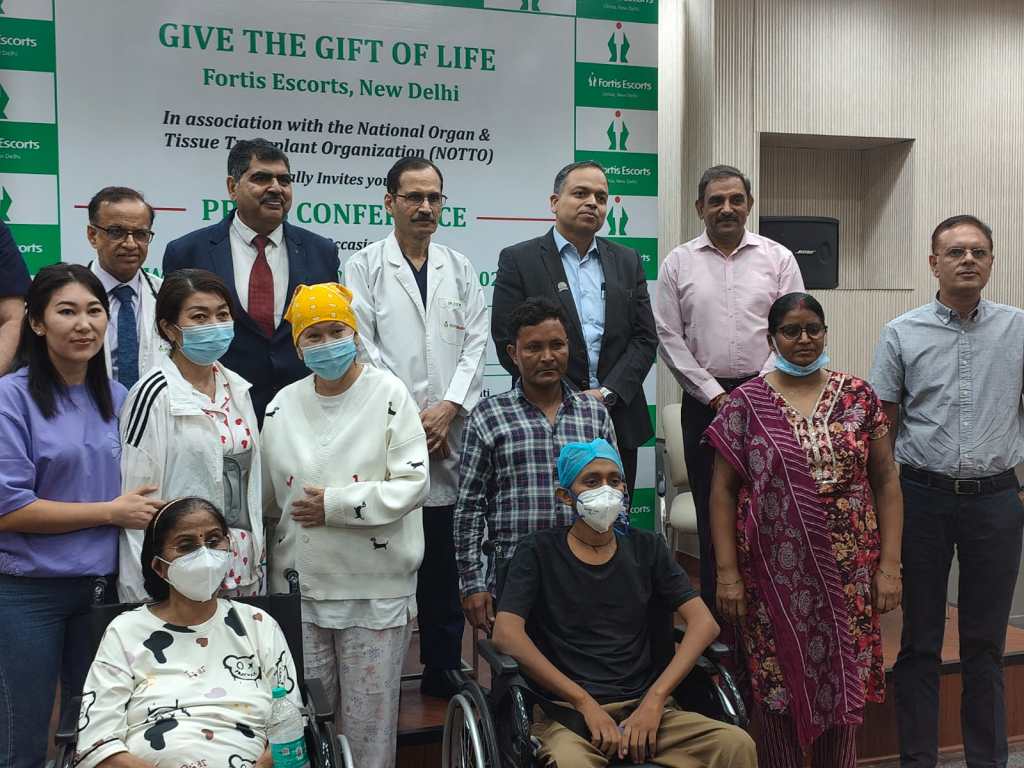
Against this backdrop, creating greater awareness about organ donation is not merely a medical necessity but an important social responsibility.
Data associated with the National Organ and Tissue Transplant Organisation (NOTTO) indicate that a large number of patients are awaiting transplants across the country. According to the available figures, around 61,668 patients were waiting for kidney transplants, while approximately 13,476 kidney transplants were performed in 2024. Of these, 11,558 transplants involved living donors, while 1,918 came from deceased donors.
The figures highlight the considerable gap between the demand for organs and their availability. For many patients, this shortage can literally become a matter of life and death.
Increasing Deceased Organ Donation Remains a Major Challenge
India’s deceased organ donation rate remains comparatively low. Available data show that between 2019 and 2023, women accounted for 63.8 per cent of deceased organ donors, while men represented nearly 69.8 per cent of transplant recipients.
Experts point to lack of awareness, social hesitation, limited family discussions and misconceptions about the organ-donation process after death as some of the major barriers. Addressing these misconceptions and providing scientifically accurate information could significantly strengthen India’s organ-donation movement.
Dr Anil Kumar Highlights the Life-Saving Value of Organ Donation
Dr Anil Kumar, Director of the National Organ and Tissue Transplant Organisation (NOTTO), has underlined the importance of organ donation, stressing that one deceased donor can bring a new ray of hope to several patients in need.
According to Dr Kumar, organ donation is not limited to helping a single patient. A single donor can potentially provide life-saving organs or tissues for multiple recipients, giving several patients an opportunity to survive or live healthier and more productive lives.
Dr Kumar also emphasises the importance of tissue donation. Donated tissues can improve the quality of life of numerous patients and can play a vital role in medical treatment. He has stressed the need for people to educate themselves about donation and discuss their wishes openly with family members.
One Donor, Multiple Hopes for Life
The greatest strength of organ donation is that, after a person’s death, eligible organs can potentially become a source of life for other patients. Subject to medical suitability and established protocols, donated organs can be used for transplantation.
For a patient suffering from advanced heart disease, a heart transplant can offer a new lease of life. Kidney donation can help a suitable recipient reduce or avoid long-term dependence on dialysis. Liver transplantation can be life-saving for patients suffering from severe liver disease. Similarly, tissue donation can contribute significantly to improving the health and quality of life of patients.
Organ Donation Plays a Critical Role in Heart Transplantation
Experts at Fortis Escorts Heart Institute, Okhla, including Dr Jacob Mehrawal, have highlighted the importance of organ availability for heart transplantation. For selected patients suffering from end-stage heart failure, a heart transplant can be an important life-saving treatment option. However, the availability of a suitable donor heart remains the first and most critical requirement.
This is why the organ shortage cannot be viewed merely as a statistical issue. Behind every number is a patient and a family waiting every day for the possibility of receiving a suitable organ.
Family Awareness and Communication Are Essential
Experts believe that one of the most important steps in promoting organ donation is open family discussion. A person who wishes to donate organs should communicate that decision clearly to close family members. Such prior communication can help families understand and respect the person’s wishes during a difficult situation.
Several misconceptions—social, religious and medical—continue to influence attitudes towards organ donation. Experts believe these concerns should be addressed through reliable medical information and counselling. The organ-donation process is carried out under established medical and legal protocols.
Government, Hospitals and Society Must Work Together
Increasing India’s organ-donation rate will require coordinated efforts by the government, hospitals, medical professionals, social organisations and citizens. Expanding organ-retrieval and transplant facilities, strengthening trained medical teams and providing accurate information to the public in simple language can play a crucial role.
There is also a need to strengthen transplant infrastructure in government medical institutions and ensure continued access to essential medicines and post-transplant care for recipients.
Organ Donation: A Promise to Give Life Even After Death
Organ donation represents one of the finest examples of human compassion. Even after a person’s death, their donated organs can become a source of hope for another family. One donor can potentially transform several lives.
The message highlighted by Dr Anil Kumar is clear: awareness about organ donation must increase, and society must learn to view donation as a natural and meaningful act of humanity. If people discuss organ donation openly with their families, obtain accurate information and clearly communicate their wishes, the prospects for thousands of patients waiting for transplants can improve significantly.
A Single Decision From the Heart Can Become a Gift of Life
Organ donation is not simply about donating an organ—it is about giving an unknown person a second chance at life. The need of the hour is to view organ donation not merely as an end-of-life decision, but as a powerful social commitment capable of saving lives and restoring hope.

