

New Delhi | Special Correspondent : Deepak Sagar
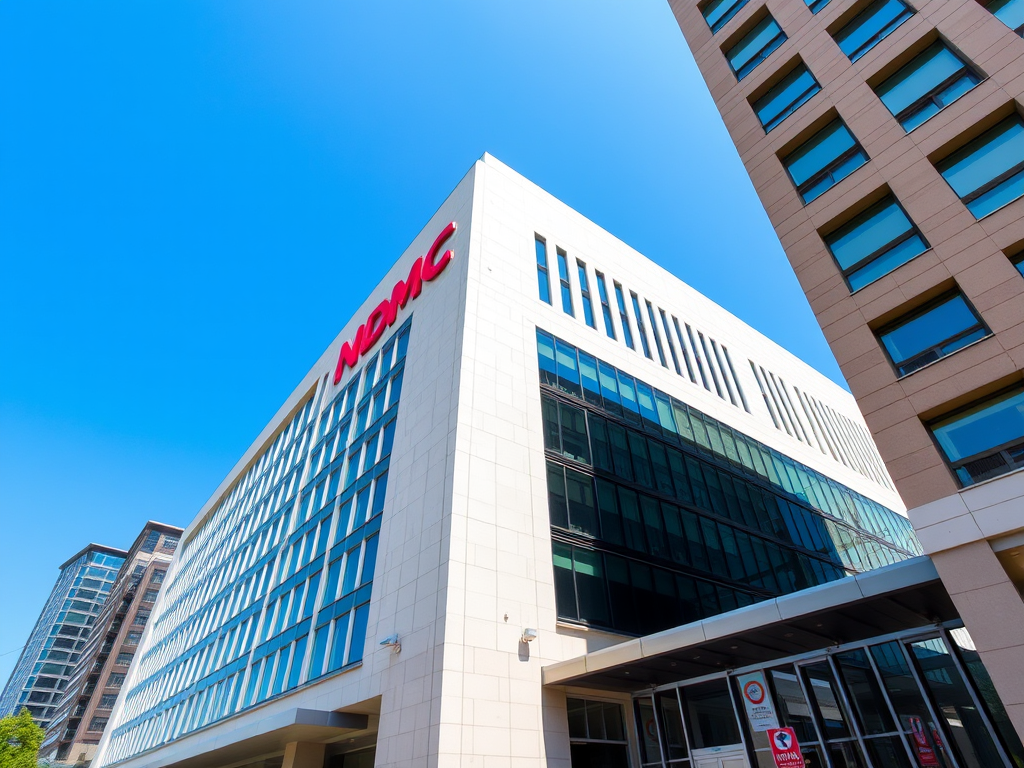
Taking a decisive stand against worsening air quality, the New Delhi Municipal Council (NDMC) has launched an aggressive, multi-pronged campaign to curb pollution in the heart of the national capital. Moving beyond rhetoric, the civic body has rolled out large-scale on-ground measures aimed at delivering measurable results.
As part of its intensified drive, NDMC has inducted five new CNG-powered road mechanical sweeping machines, capable of cleaning nearly 230 kilometres of roads daily, significantly reducing dust emissions. In addition, 18 advanced water sprinkling tankers have been deployed to suppress road dust across key stretches.
To tackle smog at pollution hotspots and construction zones, anti-smog guns have been installed at strategic locations, while 10 high-pressure jet cleaning machines are being used to clean pavements and public spaces.
In a strong push towards sustainable urban development, NDMC has set an ambitious target of planting 3 to 3.5 million trees and shrubs by 2025–26, reinforcing its commitment to long-term environmental resilience rather than cosmetic solutions.
The Council is also accelerating the transition towards clean mobility by setting up 124 electric vehicle (EV) charging stations with 450 charging points across its jurisdiction, signalling a clear shift away from fossil fuel dependence.
Strengthening waste management, NDMC is removing 35 to 40 metric tonnes of construction and demolition waste daily, curbing dust pollution caused by illegal dumping. Simultaneously, power infrastructure upgrades are underway, with electric pole shifting and expansion planned at 77 locations.
Senior NDMC officials stated that the initiative reflects a results-driven approach focused on technology, enforcement and sustainability. “This is not a short-term exercise but a structural intervention to improve air quality and urban living standards,” an official said.
With visible action on the ground, NDMC’s campaign has emerged as a benchmark, raising a critical question for other civic bodies: if NDMC can act, why can’t others?

