

By Special Correspondent Arun Sharma, New Delhi/New York
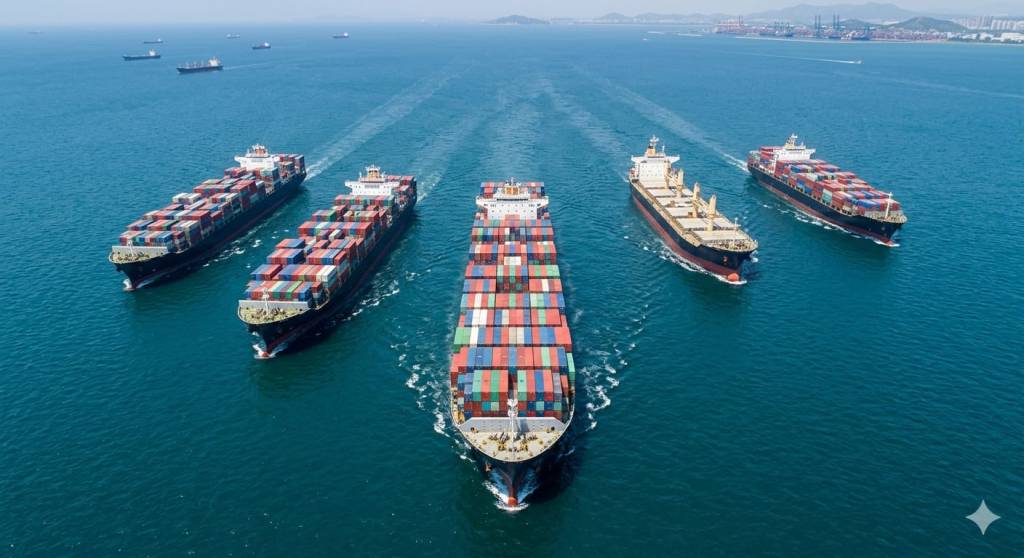
New Delhi/New York: The situation in the Strait of Hormuz remains tense, with maritime traffic yet to return to normal. Hundreds of vessels are reportedly stranded in the region, raising serious concerns over global trade flows and energy supply chains.
Despite a fragile ceasefire understanding between the United States and Iran, shipping operations through the critical corridor have not fully resumed. Shipping firms and insurers continue to assess risks and are unwilling to proceed without clear security assurances.
Under normal circumstances, around 135 large vessels transit the strait daily. However, current estimates suggest that over 800 cargo ships remain stuck in the Gulf region, awaiting clearance to move. A significant proportion of these are energy carriers, intensifying pressure on crude oil and LNG supplies.
Arsenio Dominguez, Secretary-General of the International Maritime Organization (IMO), stated that ensuring safe passage remains the top priority. He added that authorities are closely monitoring developments and coordinating with all relevant stakeholders.
Key Concerns
Energy Supply Disruptions: High concentration of oil and LNG carriers stranded
Insurance & Security Risks: Firms reluctant without firm guarantees
Trade Bottlenecks: Major delays in one of the world’s busiest shipping lanes
Oil Price Pressure: Potential volatility in global energy markets
Experts warn that unless a clear and durable agreement emerges between Washington and Tehran, full normalization of shipping activity may remain elusive. Several shipping companies have paused operations, while others are exploring alternative routes.
With vessel movement restricted in the Gulf, fears are mounting over rising oil prices and further strain on global supply chains. While there are tentative signs of easing tensions, uncertainty continues to loom large over one of the world’s most vital maritime chokepoints.
 Modern Shrines Publications