

Arun Sharma, Mumbai/New Delhi
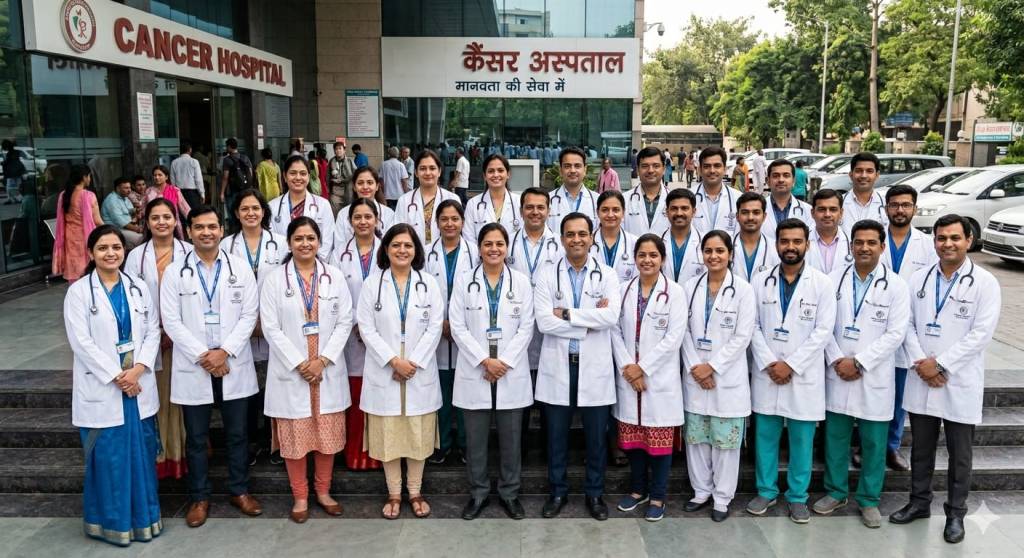
Mumbai/New Delhi: A fresh set of regulations under the government’s flagship health scheme, Pradhan Mantri Jan Arogya Yojana (PMJAY), has triggered serious concerns over cancer treatment across the country. The revised guidelines have effectively barred many experienced cancer specialists trained through fellowships from treating patients under the scheme.
15 Lakh New Cases, Growing Strain on Healthcare
India witnesses nearly 1.5 million new cancer cases annually, while the availability of specialist doctors remains limited. The exclusion of fellowship-trained oncologists is expected to further strain an already burdened healthcare system.
Fellowship-Trained Doctors Declared Ineligible
Under the new norms, only doctors holding super-speciality degrees recogn
ized by the National Medical Commission (NMC)—such as DM, MCh, or DNB—are eligible to treat patients under PMJAY.
This move has rendered many highly experienced doctors, who gained expertise through years of fellowship training, ineligible.
Smaller Cities to Bear the Brunt
Experts warn that the impact will be most severe in smaller towns and rural areas, where the shortage of specialists is already acute. Many oncologists working in private hospitals are now unable to treat PMJAY beneficiaries, limiting access to care.
Patients Facing Longer Waiting Periods
With a reduced pool of eligible doctors, government hospitals are witnessing increased patient load. Long waiting queues are becoming common, raising concerns over delays in critical cancer treatments.
Policy Under Scrutiny
Medical experts and professional bodies have questioned the practicality of the decision. They argue that excluding fellowship-trained specialists could disrupt cancer care delivery and adversely affect patient outcomes.
Call for Policy Review
Doctors and healthcare organizations have urged the government to reconsider the policy, emphasizing the need for inclusive criteria to ensure timely and effective treatment for patients.
While the intent behind the new rules may be to standardize quality, the ground reality suggests that the decision could pose significant challenges to India’s cancer care infrastructure.
 Modern Shrines Publications