

Special Correspondent Arun Sharma
New Delhi, March 31, 2026
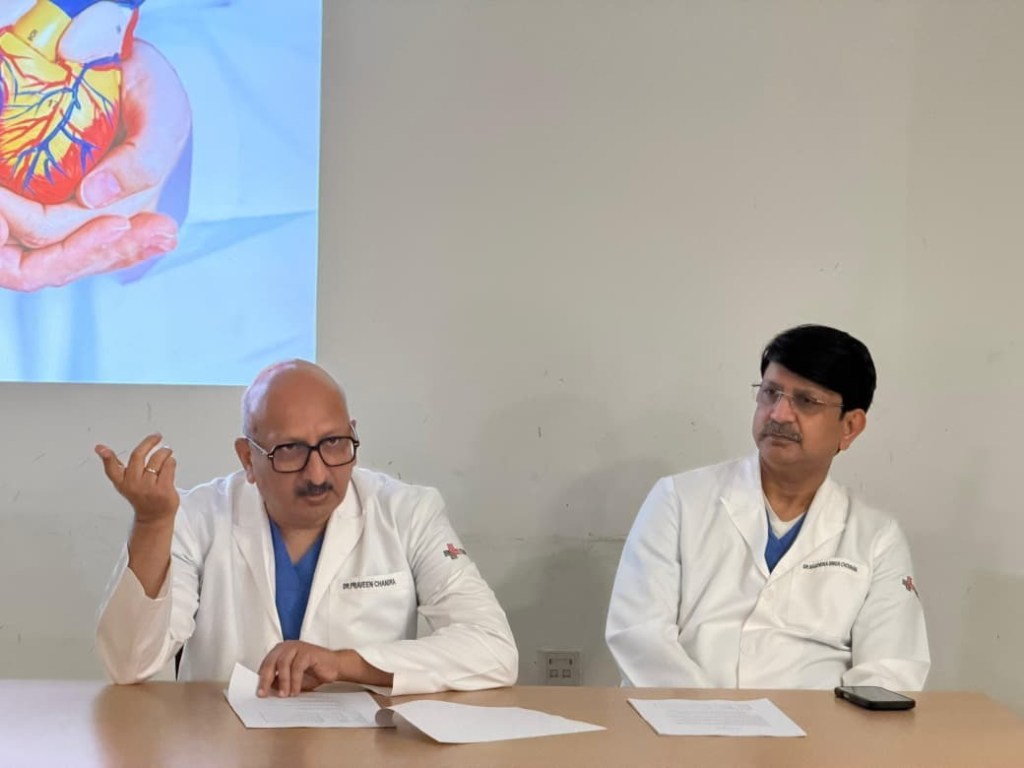
At a significant media workshop held at Medanta – The Medicity, leading cardiology experts raised serious concerns over the rising incidence of bradycardia, a potentially dangerous yet often underdiagnosed heart rhythm disorder.
The session was led by renowned cardiologists Dr. Praveen Chandra and Dr. Nagendra Singh Chouhan, who emphasized the urgent need for improved diagnosis, timely intervention, and better access to advanced cardiac care.
What is Bradycardia?
Bradycardia is defined as a resting heart rate of fewer than 60 beats per minute. Experts noted that the condition affects approximately 1 in every 1,000 individuals, with a significantly higher prevalence among people aged 65 and above.
Expert Insight: Dr. Praveen Chandra
Dr. Praveen Chandra stated that symptoms such as fatigue, dizziness, and weakness are often misattributed to ageing or other co-morbidities, leading to delayed diagnosis.
“Many patients present only after experiencing serious events like syncope or falls,” he said.
He further highlighted that advancements in cardiac care, including leadless pacemaker technology, are improving treatment outcomes. However, early screening and timely referrals remain critical.
Ground Reality: Dr. Nagendra Singh Chouhan
According to Dr. Nagendra Singh Chouhan, pacemaker therapy remains the only established, guideline-recommended treatment for symptomatic bradycardia.
“Access to care continues to be uneven in India. There are only about 0.6 pacing centres per million population and approximately 17 pacemaker implants per million, reflecting significant gaps in infrastructure and awareness,” he noted.
Why is Bradycardia Dangerous?
If left untreated, bradycardia can lead to:
Recurrent fainting episodes
Heart failure
Reduced quality of life
Higher Risk Among the Elderly
Experts pointed out that nearly 75–80% of pacemaker recipients are above 65 years of age. Other contributing factors include underlying heart disease, prior heart attacks, thyroid disorders, infections, and certain medications.
Hope Through Innovation
The workshop also highlighted emerging technologies such as leadless pacemakers, which offer fewer complications, faster recovery, and improved patient outcomes.
Conclusion
The discussion underscored the urgent need to strengthen awareness, enhance early diagnosis, and expand access to advanced cardiac care across India. As cardiovascular diseases continue to rise, bridging existing healthcare gaps will be crucial to improving long-term patient outcomes and saving lives.
 Modern Shrines Publications