

By Special Correspondent: Arun Sharma | New Delhi
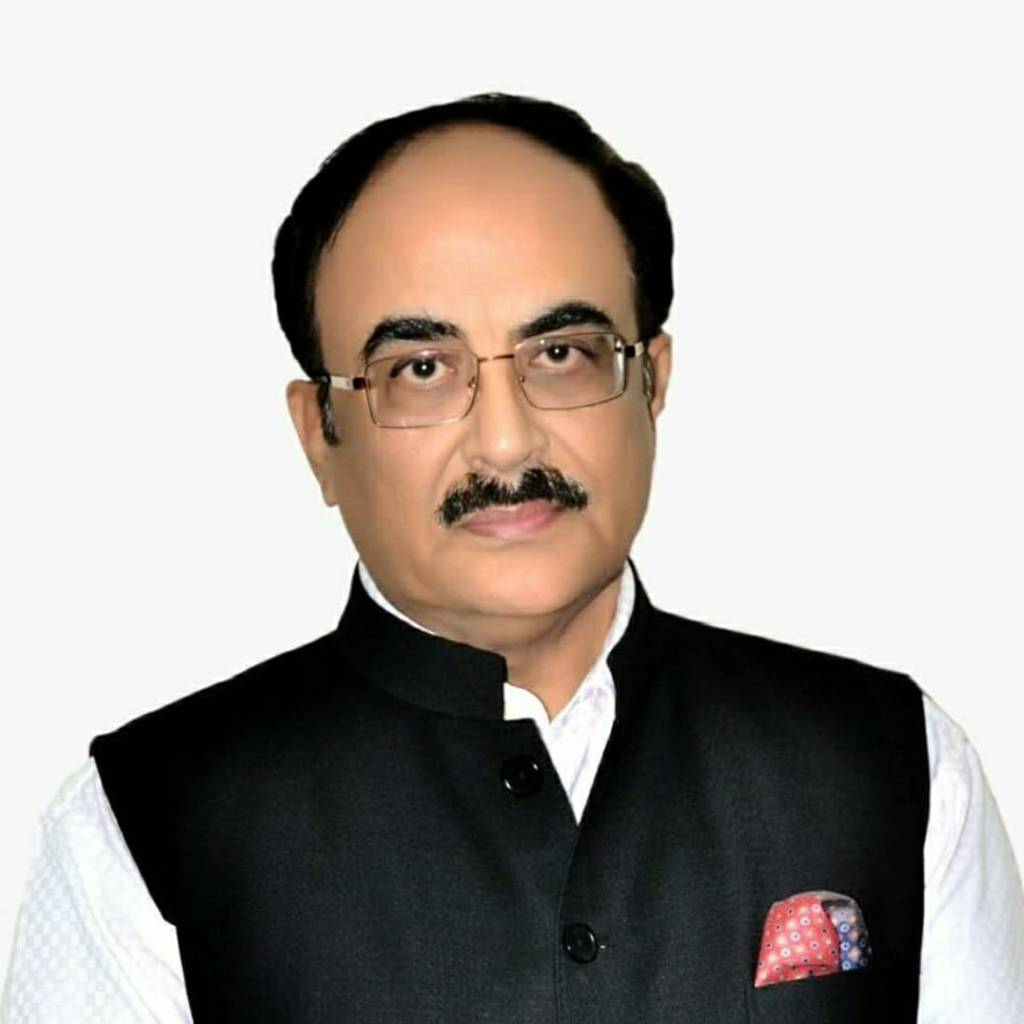
Munish Kumar Gaur
Advocate & Former Bureaucrat
New Delhi: India’s capital is grappling with an escalating traffic crisis that has moved far beyond routine congestion to become a serious public health, environmental, and urban governance challenge. Years of delayed planning, uneven development, and rapid population growth have now been compounded by the unregulated expansion of e-rickshaws, intensifying pressure on an already overburdened road network.
Vehicle Explosion: Limited Roads, Unlimited Pressure
Delhi has over 13–14 million registered vehicles, making it one of the most vehicle-dense cities globally.
70% two-wheelers
3–3.5 million private cars
Thousands of buses, taxis, goods carriers, and autos
Infrastructure growth has not kept pace, resulting in chronic, citywide congestion.
E-Rickshaws: From Last-Mile Solution to Traffic Disruptor
Originally introduced as a last-mile connectivity solution, e-rickshaws are increasingly emerging as a major contributor to traffic chaos due to lack of regulation.
Key Concerns
No fixed routes or designated stops
Random passenger pick-up and drop-off
Frequent violation of traffic norms
Large-scale illegal operations
Markets, metro stations, and residential areas are witnessing frequent “e-rickshaw bottlenecks.”
Issue Raised in Parliament
The growing disorder caused by e-rickshaws has reached the national stage, with concerns being raised in the Rajya Sabha, highlighting the urgency for policy intervention.
Peak Hours: A City at Standstill
Morning: 8 AM – 11 AM
Evening: 5 PM – 8 PM
School hours: 6–8 AM & 1–3 PM
During these hours, Delhi experiences near-gridlock conditions, worsened by unregulated movement of small transport vehicles, including e-rickshaws.
Pollution and Fuel Losses Escalate
Traffic congestion leads to:
Increased fuel consumption
Rising air pollution
Loss of productive hours
While e-rickshaws are non-polluting individually, the traffic they contribute to indirectly raises emission levels.
Environmental Degradation Visible
Roadside vegetation is coated with dust and pollutants, reducing its oxygen-generating capacity and weakening Delhi’s already stressed green cover.
Residential Areas Choked
Illegal parking combined with e-rickshaw congestion has narrowed internal roads.
Emergency services like ambulances and fire brigades face serious access challenges.
Human Behaviour Adds to Chaos
Poor lane discipline
Aggressive overtaking
Disregard for traffic rules
This has led to a surge in road rage incidents and accidents.
Systemic Gaps Worsening the Crisis
Overdependence on private vehicles
Weak last-mile connectivity
Absence of a clear e-rickshaw policy
Poor enforcement of traffic laws
Fragmented urban planning
Global Lessons for Delhi
London & Singapore: Congestion pricing
Tokyo: Efficient public transport
New York: Strict parking regulations
Copenhagen: Promotion of cycling
The Way Forward: Urgent and Multi-Pronged Action Needed
Traffic Reforms
Introduce congestion pricing
Expand and integrate public transport
Deploy intelligent traffic management systems
Enforce strict parking regulations
E-Rickshaw Policy Measures
Consider a freeze on new registrations
Define fixed routes and stands
Crack down on illegal operations
Ensure strict compliance with traffic rules
Long-Term Strategies
Develop satellite towns
Create decentralized business hubs
Introduce staggered office and school timings
Citizens Must Play Their Part
Carpooling, using public transport, and following traffic norms can significantly ease pressure on city roads.
Delhi’s traffic crisis has evolved into a multi-dimensional urban emergency, with the unchecked growth of e-rickshaws adding a critical new layer to the problem.
Without timely policy intervention and strict implementation, the situation risks spiraling further out of control.
The need of the hour is decisive governance, robust policy action, and collective civic responsibility—only then can Delhi breathe again.
 Modern Shrines Publications