

Stress, long duty hours push personnel toward higher cardiac risk; awareness and tech-led monitoring take center stage
Arun Sharma | Special Correspondent
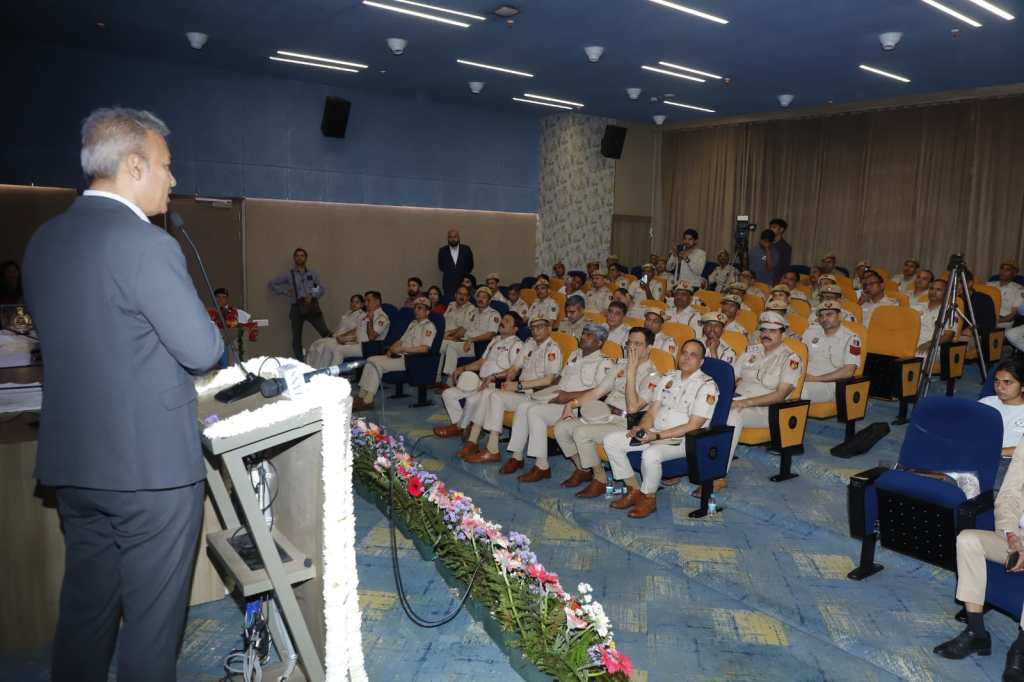
New Delhi: In a significant step toward safeguarding the health of frontline personnel, Delhi Police in collaboration with iLive Connect organized a Cardiac Health Awareness Camp at the IT Park in Shastri Park on Saturday. The initiative focused on early detection, preventive care, and the use of modern technology to combat the growing threat of heart disease among police personnel.
Alarming Rise in Heart Attack Cases
The urgency of such initiatives is underscored by worrying data. In 2024, 34,539 deaths due to heart attacks were reported in Delhi, a sharp rise from 22,385 in 2023, signaling a mounting public health concern.
High-Risk Profession Under the Lens
Police personnel, due to their demanding roles, face chronic stress, irregular working hours, poor sleep patterns, and unhealthy dietary habits—all of which significantly elevate the risk of cardiovascular diseases. Recognizing this, the camp provided comprehensive heart check-ups and awareness sessions tailored specifically for them.
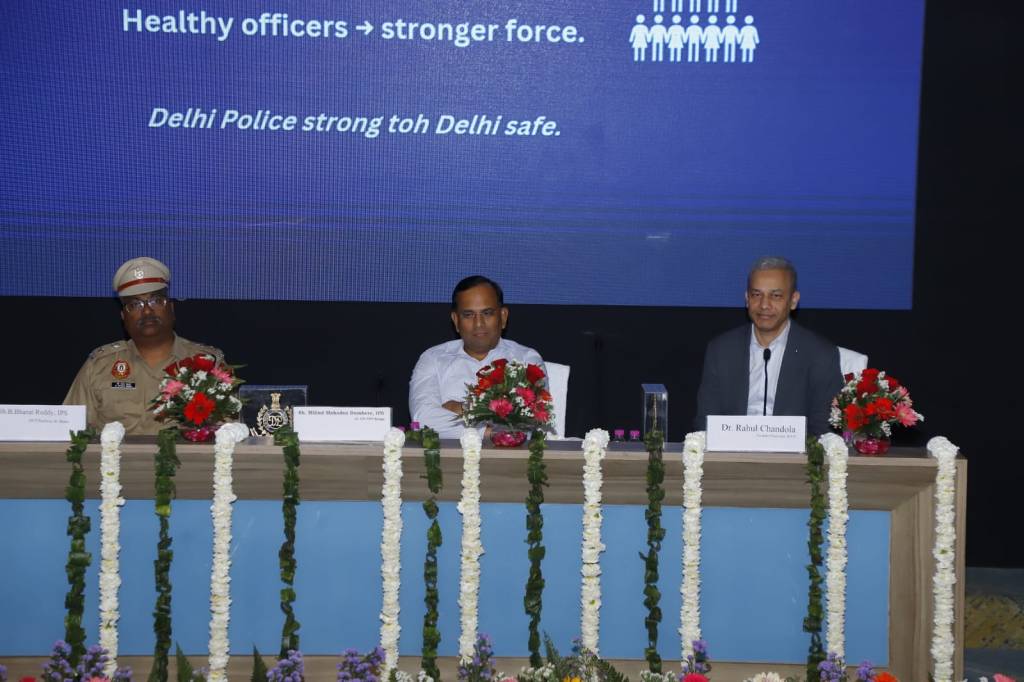
Top Officials and Experts Join Hands
The event witnessed the presence of Joint CP Milind Mahadev, DCP (Metro & Railway) Bharat Reddy, and noted cardiothoracic and vascular surgeon Dr. Rahul Chandola, Founder of iLive Connect and Chairman of the Institute of Heart and Lung Diseases. Over 30 police personnel underwent health screening during the camp.
Addressing the gathering, Joint CP Milind Mahadev remarked,
“If we take care of our heart, it will take care of us. Amid our busy lives, maintaining balance and prioritizing health is essential.”
DCP Bharat Reddy highlighted the post-pandemic surge in cardiac issues, stating,
“Heart-related cases have increased after COVID-19. Improving lifestyle habits can play a crucial role in prevention.”
Simple Lifestyle Changes Can Save Lives
Dr. Rahul Chandola emphasized practical, easy-to-follow measures to reduce cardiac risk:
At least 150 minutes of exercise per week
Minimum 7.5 hours of sleep daily
Reduced salt intake and avoidance of processed foods
Stress management through routine and discipline
He noted that a simple cycle of brisk walking followed by short runs, repeated multiple times, can lower heart risk by 30–40%.
Silent Threat: Heart Disease Often Goes Unnoticed
Highlighting a critical concern, Dr. Chandola said,
“Nearly 50% of heart attacks occur without warning signs. The heart is unique—diseases may not show symptoms even at advanced stages.”
He added that in India, 28% of all deaths are attributed to heart disease. Studies from Harvard indicate that stressful jobs increase heart attack risk by up to 25%, while shift workers face a 30–40% higher risk, according to U.S. data.
Technology Steps In: 24×7 Heart Monitoring
A key highlight of the program was the introduction of iLive Connect’s wearable biosensor devices and wellness bracelets, provided to selected personnel, including senior officers. These devices enable real-time monitoring of heart activity, blood pressure, and other vital parameters.
Data from the devices is tracked round-the-clock by medical experts at a remote command center, ensuring immediate alerts in case of abnormalities—making it a doctor-led, continuous monitoring solution.
Seven-Day Monitoring and Future Plans
Participants will undergo seven days of continuous monitoring, followed by a detailed health report. Dr. Chandola confirmed that this initiative is not a one-time effort, with more such programs planned in the future.
A Step Toward Health Security for Protectors
The camp not only delivered essential health services but also introduced police personnel to cutting-edge medical technology and preventive strategies.
As Delhi Police continue to protect the city, this initiative ensures that their own health and well-being are not left behind.
 Modern Shrines Publications