

Special Correspondent: Arun Sharma | New Delhi
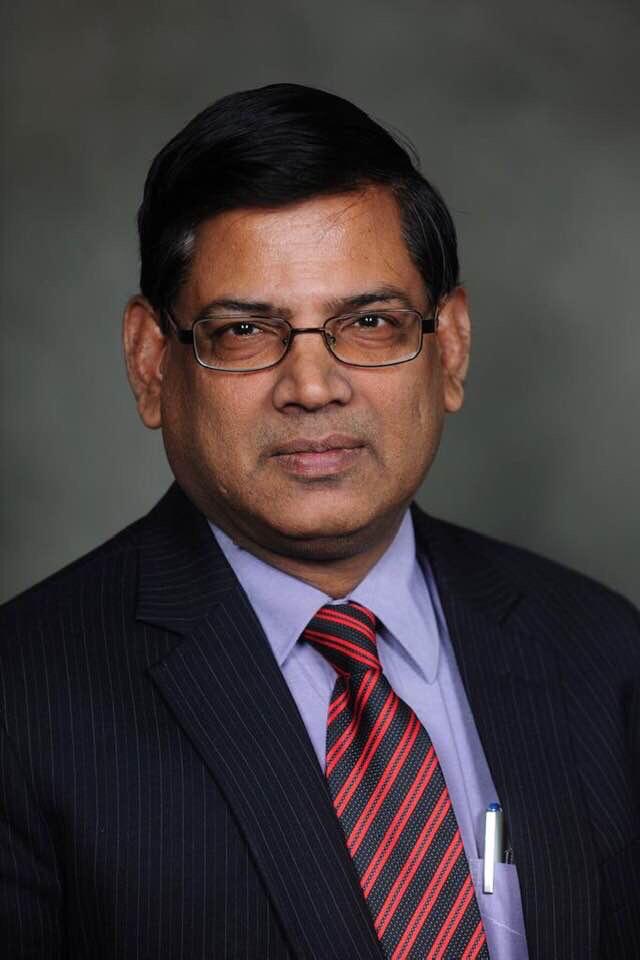
Prof. Sanjeev Sinha, Department of Medicine, All India Institute of Medical Sciences (AIIMS), New Delhi, has presented a comprehensive assessment of India’s fight against tuberculosis (TB) on the occasion of World TB Day, highlighting both significant progress and ongoing challenges.
According to Prof. Sanjeev Sinha, India has witnessed a steady decline in TB incidence and mortality rates in recent years, reflecting sustained efforts by the government and the public health system. He noted that advancements in diagnostic technologies, particularly Nucleic Acid Amplification Tests (NAAT), have enabled faster and more accurate early detection of TB as well as drug resistance.
Treatment outcomes have also improved considerably. “The effective implementation of Directly Observed Treatment, Short-course (DOTS) has strengthened patient care,” he said. Free access to anti-TB medications, patient tracking through digital platforms like Nikshay, and improved notification from the private healthcare sector have further reinforced TB control efforts.
However, Prof. Sanjeev Sinha cautioned that several critical challenges remain. Lack of awareness often leads to treatment interruption, increasing the risk of complications and drug resistance. Limited access to advanced diagnostic facilities in rural and underserved areas, along with social factors such as stigma, poverty, malnutrition, and overcrowding, continue to drive the spread of the disease.
He also pointed out that comorbid conditions like diabetes, along with the growing use of immunosuppressive therapies and chemotherapy, are increasing patient vulnerability and complicating treatment outcomes.
Raising concern over multidrug-resistant TB (MDR-TB), Prof. Sanjeev Sinha stated, “This form of TB develops primarily due to improper treatment practices, including incomplete or interrupted therapy.” He stressed the importance of strict treatment adherence, expanded drug resistance testing, and robust infection control measures.
Highlighting key symptoms, he said that a persistent cough lasting more than two to three weeks, fever (especially in the evening), weight loss, night sweats, fatigue, and loss of appetite are major warning signs. “Early detection and timely treatment not only improve recovery but also help prevent community transmission,” he added.
Concluding on a hopeful note, Prof. Sanjeev Sinha said, “Eliminating TB is an achievable goal, but it requires sustained and coordinated efforts from government agencies, healthcare providers, the private sector, and the community. Strengthening healthcare systems, improving diagnostics, and enhancing public awareness are crucial to achieving a TB-free India.”
 Modern Shrines Publications