

Punjab & Haryana High Court adopts humanitarian view, widens scope of organ donation
Correspondent: Deepak Sagar, Chandigarh
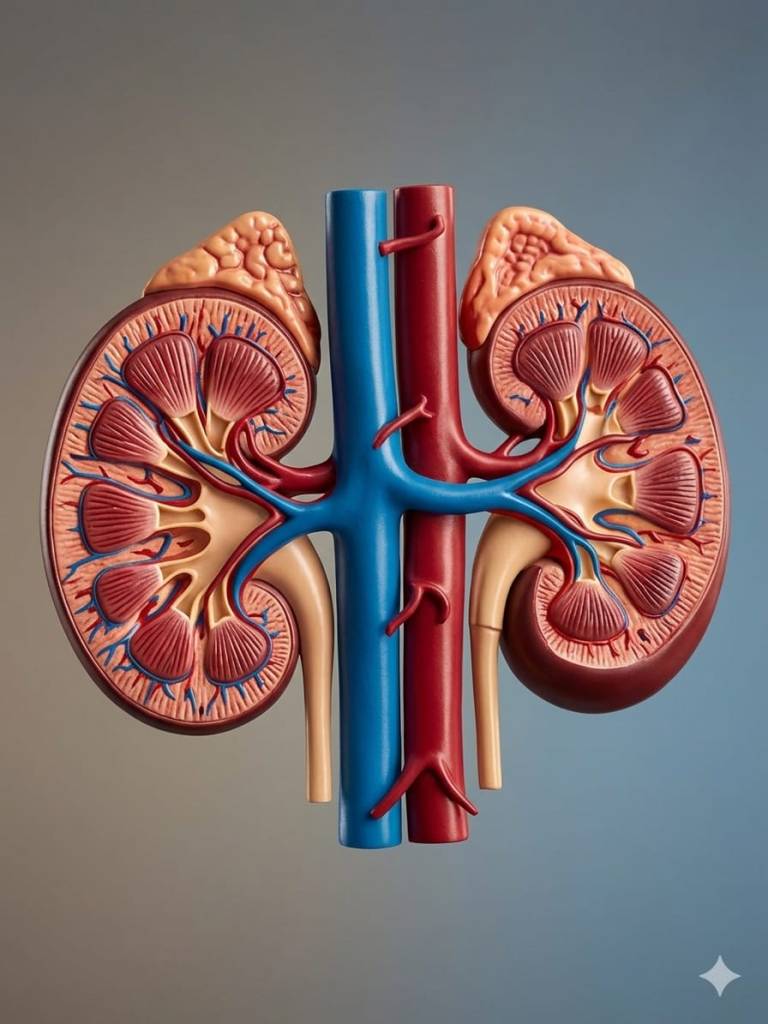
In a significant and humane ruling, the Punjab and Haryana High Court has expanded the definition of “near relative” under organ transplant regulations, allowing a mother-in-law to be considered a valid donor in kidney swap cases.
The judgment marks an important shift in the interpretation of the Transplantation of Human Organs and Tissues Act, 1994, potentially offering relief to patients awaiting life-saving transplants.
Observing the changing dynamics of family structures, the court noted that a rigid and narrow interpretation of “near relative” could deprive patients of timely medical intervention. It emphasized the need for a practical and compassionate approach in such cases.
Justice Jagmohan Bansal, during the hearing, pointed out that while the Act traditionally includes relations such as spouse, parents, siblings, children, and grandparents, evolving social realities necessitate a broader understanding of familial support systems.
The case involved two unrelated families, both requiring kidney transplants. They opted for a kidney swap arrangement, where one patient’s mother-in-law and the other’s wife had consented to donate. However, the authorization committee had rejected the proposal, citing that a mother-in-law did not fall within the defined category of “near relative.”
Upon hearing the matter, the High Court overruled the objection and directed PGIMER, Chandigarh, to proceed with the transplant process after completing necessary formalities.
Legal and medical experts have welcomed the ruling, calling it a progressive step that could expand the donor pool and improve access to timely treatment for patients in need.
The decision is expected to influence future cases, reinforcing a more inclusive and patient-centric approach in organ donation policies.
 Modern Shrines Publications