

Restaurants cut menus, small businesses struggle as fuel shortage deepens economic distress
East Delhi | Special Correspondent Arun Sharma
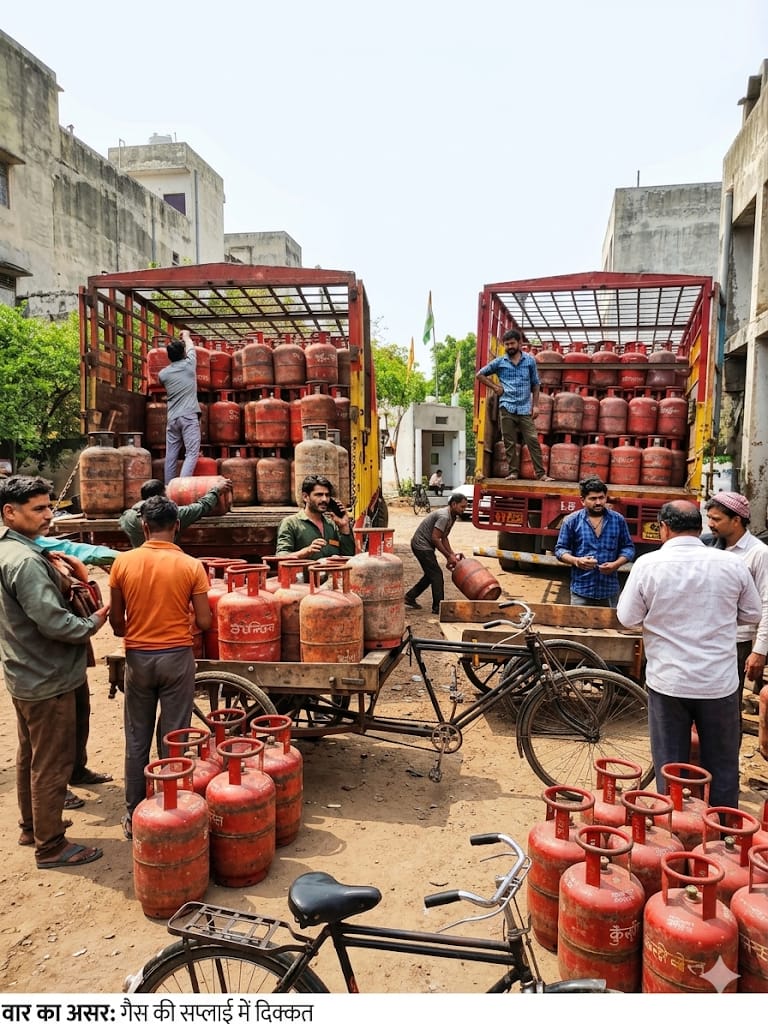
Delhi: The ongoing shortage of Liquefied Petroleum Gas (LPG) has evolved beyond a supply issue into a full-blown socio-economic crisis, severely impacting livelihoods, driving inflation, and disrupting daily life across sectors.
The worst-hit segment remains the food and hospitality industry. Several restaurants and hotels have been forced to cut down their menus by up to 40%, while some establishments have temporarily suspended lunch services due to limited gas availability. The ripple effect is now threatening the livelihoods of thousands of workers employed in this sector.
From Restaurants to Street Vendors: Widespread Impact
The LPG crunch has dealt a heavy blow to small vendors, street food operators, and roadside eateries. Many are now on the brink of closure as operational costs surge and fuel access remains uncertain.
A local vendor summed up the crisis, saying, “If there is no gas, how will the stove burn? And if the stove doesn’t burn, how will we survive?”
Simultaneously, prices of food items have soared significantly, putting additional pressure on consumers already grappling with rising costs.
Industrial Sector Also Under Strain
The crisis is not confined to food services alone. Several industries are witnessing disruptions, including:
Plastic manufacturing
Wiring and polythene production
Polymer industries
Footwear manufacturing
Shortage of raw materials and escalating input costs have slowed production, raising concerns about supply shortages and further price hikes in the market.
Global Factors Behind the Crisis
Experts attribute the shortage to multiple international developments, particularly the ongoing Russia-Ukraine War, which has disrupted global LPG supply chains.
Additional contributing factors include:
Sanctions on Russia, a key energy supplier
Reduced production in exporting nations
Technical and logistical challenges
Rising global demand for LPG
Together, these factors have tightened supply and driven up prices worldwide.
Double Blow: Inflation and Unemployment
The LPG shortage has intensified inflationary pressures, leading to:
Higher food prices
Closure risks for small businesses
Job insecurity for workers and laborers
The burden is being disproportionately borne by the economically weaker and middle-income groups, already struggling under financial stress.
System Under Scrutiny
As the crisis deepens, critical questions are being raised:
Can authorities bring the situation under control in time?
Will effective relief measures be introduced for vulnerable sections?
Conclusion
What began as a fuel shortage is now turning into a larger social crisis. Without timely and effective intervention, the consequences could become more severe in the coming weeks.
“When the stove goes cold, it is not just food that disappears — hope fades with it.”
 Modern Shrines Publications