

Arun Sharma, Special Correspondent, New Delhi
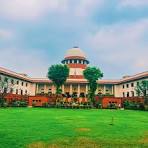
The Supreme Court of India has taken a stern view of the functioning of the Delhi Ridge Management Board (DRMB), raising serious concerns over conflict of interest and lack of institutional independence in the protection of the capital’s ecologically sensitive Ridge area.
During a hearing on Monday, a Bench led by the Chief Justice observed that a majority of the Board’s members are linked to government bodies, casting doubt on their ability to take impartial decisions بشأن conservation and land use.
Key Observations:
Court questions neutrality of Delhi Ridge Management Board
“Conflict of interest” flagged due to government-linked members
Centre directed to file affidavit within four weeks
Call for holistic protection of the Aravalli ecosystem
Court’s Concern: “Impartiality is Non-Negotiable”
The Bench emphasized that environmental governance must remain free from institutional bias, especially when dealing with sensitive green zones like the Delhi Ridge—often described as the “lungs” of the city.
It questioned how effective conservation could be ensured if decision-makers are influenced by the very authorities involved in urban development policies.
Bigger Ecological Question
The Court also raised a broader issue: why the Delhi Ridge is being treated in isolation, when it is an integral part of the Aravalli Range. It suggested adopting a holistic, ecosystem-wide approach to environmental protection rather than fragmented oversight.
Directions to the Centre:
The Court has asked the Centre to submit a detailed affidavit outlining:
Authorities responsible for managing the Ridge
Their institutional structure and composition
Defined roles and accountability mechanisms
A 13-member Delhi Ridge Management Board had earlier been constituted to oversee conservation and restoration efforts. However, the Court noted that mere creation of a body is insufficient without ensuring transparency, independence, and effectiveness.
The Bench indicated that government influence over board members could compromise decisions, particularly on contentious issues such as land use and urban expansion. This, it warned, could undermine the very objective of environmental protection.
Following the Court’s sharp observations, both the Centre and the Delhi government are likely to face closer judicial scrutiny. The case could lead to stricter guidelines or structural reforms in how ecologically sensitive zones in the capital are governed.
The next hearing is expected to be crucial in determining whether the current framework will be overhauled to ensure greater accountability and environmental integrity.
 Modern Shrines Publications