

By Arun Sharma, Special Correspondent, New Delhi
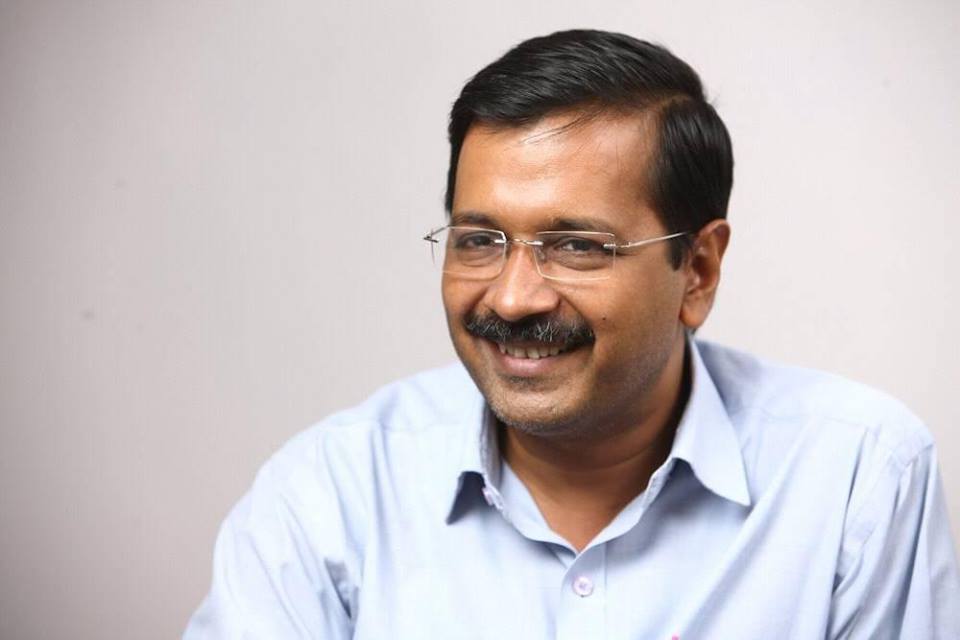
The political temperature in the national capital has surged once again as a legal battle in the Delhi High Court over the excise policy case takes on a sharp political edge. During a recent hearing on a petition filed by the Central Bureau of Investigation (CBI), the court made it clear that there is currently no stay order, allowing legal proceedings to continue.
The controversy stems from the alleged excise policy case involving former Delhi Chief Minister Arvind Kejriwal and 22 others, who were granted discharge by a trial court. Challenging this relief, the CBI has now approached the High Court, seeking a review of the lower court’s decision.
Key Developments:
No stay order in place; legal process to continue
CBI challenges trial court’s discharge of Kejriwal and others
High Court seeks responses from all parties
Next hearing date scheduled
Court’s Stand: “Process Must Continue”
The High Court underscored that in the absence of any directive from itself or the Supreme Court, proceedings cannot be halted. Notices have been issued to all concerned parties, asking them to file their responses before the next hearing.
AAP Hits Back: “Political Vendetta”
Leaders of the Aam Aadmi Party (AAP) have strongly criticized the move, alleging it to be a case of “political vendetta” orchestrated by the Centre. The party claims that investigative agencies are being misused to target opposition leaders. Senior counsels representing AAP also sought adequate time to file detailed replies.
Centre’s Argument: “Law Will Take Its Course”
Representing the CBI, the Solicitor General questioned the trial court’s ruling, calling it “legally flawed” and arguing that such findings may not withstand judicial scrutiny. The Centre has pressed for an expedited hearing in the matter.
Political Implications:
AAP frames the case as an attack on democratic mandate
Opposition counters with corruption narrative
Legal proceedings now deeply intertwined with political messaging
The case has injected fresh momentum into Delhi’s political discourse, with both sides sharpening their narratives. While AAP positions itself as a victim of political targeting, critics argue the case reflects accountability in governance
With the next hearing looming, all eyes are on whether the High Court will uphold the trial court’s discharge or alter the course of the case. What is clear, however, is that this is no longer just a legal contest—it has evolved into a high-stakes political battle with significant implications for all stakeholders involved.
 Modern Shrines Publications