

By Special Correspondent: Arun Sharma
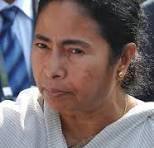
Amid rising political tensions ahead of upcoming elections, the Election Commission has clarified that policy decisions or announcements made by state governments before the official declaration of election dates do not amount to a violation of the Model Code of Conduct (MCC).
The clarification comes after a political controversy erupted over an announcement made by West Bengal Chief Minister regarding Dearness Allowance (DA) benefits for state government employees shortly before the election schedule was expected to be announced. Opposition parties questioned the timing of the decision, alleging it was aimed at influencing voters.
Model Code Applies Only After Poll Dates Are Announced
Officials from the Election Commission emphasized that the Model Code of Conduct becomes effective only after the official announcement of election dates. Until that point, governments are legally permitted to make policy decisions and administrative announcements within their jurisdiction.
A senior Election Commission official stated:
“The Model Code of Conduct comes into force only after the election dates are formally announced. Any announcement made before that period cannot be treated as a violation of the rules.”
Opposition Raises Concerns Over ‘Populist’ Decisions
Despite the clarification, opposition parties have sharply criticized such pre-poll announcements. They argue that several state governments often roll out populist schemes or financial benefits just before elections to sway voters.
Political War of Words Intensifies in West Bengal
The issue has triggered a fresh political clash in West Bengal between the Trinamool Congress (TMC) and the Bharatiya Janata Party (BJP).
BJP leaders have described the state government’s move as a “political stunt ahead of elections.”
TMC leaders, however, have defended the decision, stating that it is related to long-pending rights and benefits of government employees and should not be politicized.
Debate Over Fair Elections vs Government Authority
Political analysts note that controversies over pre-election announcements are not new. Governments across several states have historically announced welfare schemes, financial relief, or employee benefits shortly before elections, which opposition parties often label as “electoral inducements.”
For now, the Election Commission’s clarification has reignited a broader debate over how to balance electoral fairness with the administrative powers of elected governments during the pre-election period.
 Modern Shrines Publications