

Special Correspondent: Arun Sharma

New Delhi, March 11: Leading eye specialists have raised serious concerns over the growing burden of Glaucoma in India, urging people to undergo regular eye check-ups, early detection and increased public awareness to prevent irreversible blindness.
The warning came during a national media conclave #DefeatGlaucoma, organised by global biopharmaceutical company AbbVie during World Glaucoma Week at the India Habitat Centre in New Delhi.
Experts at the event cautioned that glaucoma is one of the leading causes of irreversible blindness worldwide, but timely diagnosis and treatment can significantly reduce the risk of permanent vision loss.
Key Highlights
Around 12 million people in India are estimated to be affected by glaucoma.
Nearly 90% of cases remain undiagnosed.
The disease often progresses silently without early symptoms.
Delayed diagnosis can lead to permanent vision loss.
Experts noted that glaucoma is rapidly emerging as a major public health challenge, requiring coordinated efforts from government agencies, healthcare providers and the community.
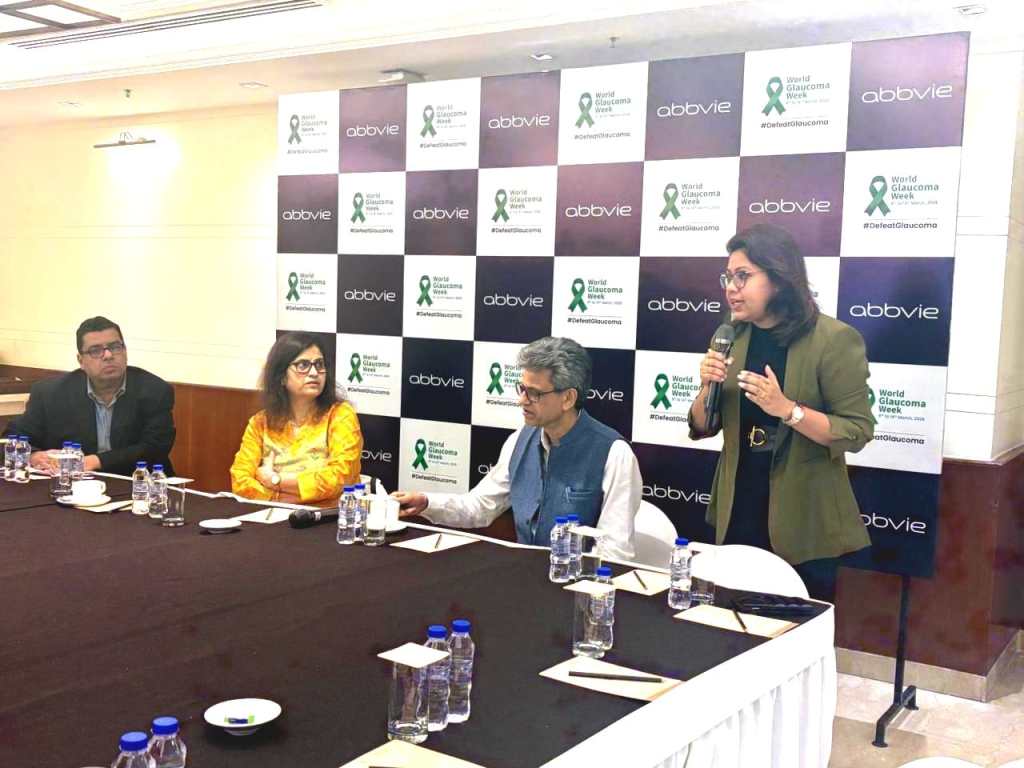
Expert Voices
Dr Sunita Dubey
(Head, Glaucoma Services, Dr. Shroff Charity Eye Hospital)
“Glaucoma usually develops slowly and often shows no symptoms in its early stages. Many patients are diagnosed only after irreversible damage has already occurred. Regular eye examinations after the age of 40 are essential for early detection and protecting vision.”
Dr Harsh Kumar
(Cataract and Glaucoma Specialist, Centre for Sight)
“Routine eye examinations including optic nerve evaluation and measurement of intraocular pressure can help detect glaucoma early. With timely diagnosis and proper management, the progression of the disease can often be slowed significantly.”
Dr Ramanjit Sihota
(Glaucoma Specialist, Shroff Eye Centre)
“Glaucoma management requires lifelong monitoring and adherence to treatment. Increasing public awareness and encouraging timely consultations with eye specialists can play a crucial role in preventing irreversible vision loss.”
Dr Deven Tuli
(Glaucoma Specialist, Netram Eye Foundation)
“Addressing the burden of glaucoma requires a collaborative approach involving clinicians, policymakers and the public. Strengthening awareness and improving access to screening and treatment services will be key to reducing glaucoma-related blindness in India.”
Unique Awareness Initiative
The conclave began with a “Glaucoma Vision Experience Demonstration,” allowing journalists and participants to experience how glaucoma gradually affects peripheral vision.
The interactive demonstration helped attendees understand the real-life visual limitations experienced by patients, reinforcing the importance of early screening and diagnosis.
Understanding Glaucoma
Glaucoma is a chronic eye disease in which damage to the optic nerve—often due to increased intraocular pressure—gradually affects vision.
Key Facts
A slowly progressing disease
Often symptomless in early stages
Peripheral vision is affected first
Can lead to irreversible blindness if untreated
Prevention & Early Detection
Regular eye examinations after age 40
Extra vigilance for people with family history
Timely consultation with eye specialists
Routine monitoring of intraocular pressure
About AbbVie
AbbVie said it remains committed to developing innovative medicines and solutions across therapeutic areas including eye care, oncology, immunology and neuroscience, with the aim of improving patient outcomes and quality of life.
The Takeaway
Early detection, routine eye screening and timely treatment can significantly reduce the risk of irreversible blindness caused by glaucoma.
 Modern Shrines Publications