

Special Correspondent: Arun Sharma

New Delhi, March 11, 2026: In a significant initiative aimed at promoting women’s health, cancer awareness and preventive screening, the Delhi State Cancer Institute organised a Cancer Awareness, Prevention and Screening (CAPS) Camp at the Tis Hazari Courts Complex.
The initiative was designed to raise awareness about cancer among court staff, encourage timely screening and strengthen preventive healthcare, particularly for women. Experts emphasised that a healthy woman is the foundation of a healthy and progressive nation.
Dignitaries from the Judiciary Attend the Programme
The programme witnessed the presence of senior members of the judiciary, highlighting the importance of health awareness and social responsibility.
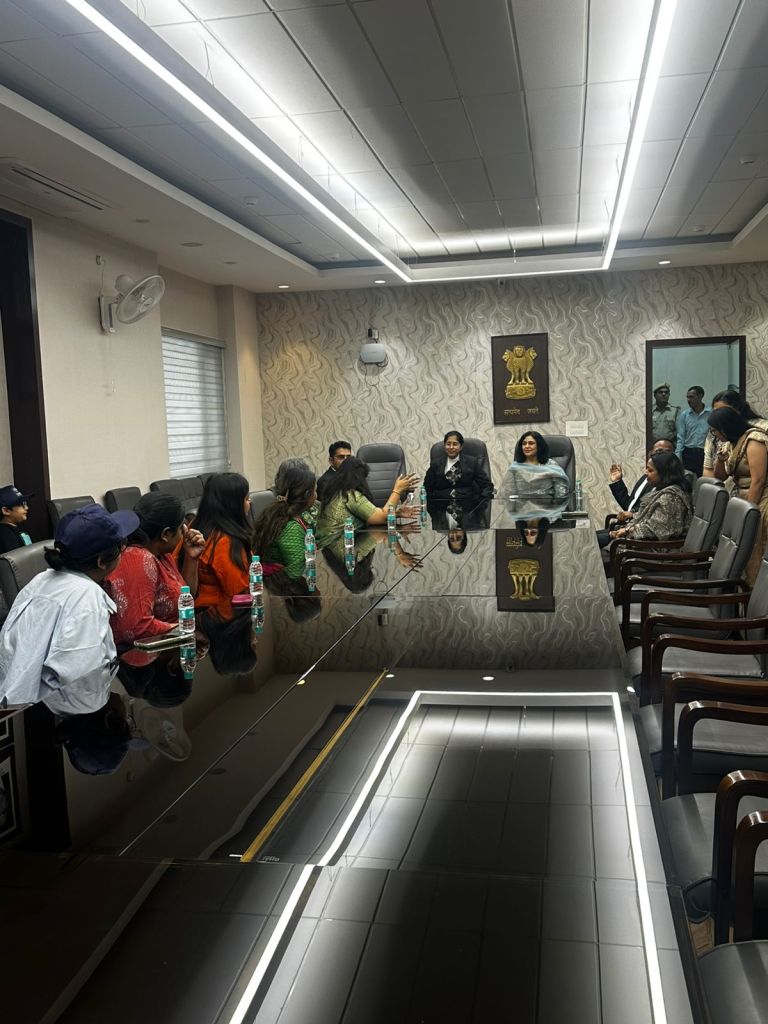
Prominent attendees included:
Ms Anju Bajaj Chandna — District & Sessions Judge (HQ) / Chairperson, Central DLSA
Ms Aditi Chaudhary — District & Sessions Judge (West) / Chairperson, West DLSA
Mr Abhitesh Kumar — Secretary, Central DLSA
Mr Sankalp Kapoor — West DLSA
Ms Ruchika Singla — District Judge
They described the initiative as an important bridge between the judiciary and society in promoting public health awareness.
Key Health Services Provided at the Camp
Participants received several essential healthcare services during the camp, including:
Free cancer screening
Consultations with specialist doctors
Health awareness sessions
Mammography screening
HPV-DNA testing
By midday, the camp had already conducted:
9 Mammography screenings
27 HPV-DNA tests
Breast Self-Examination Awareness for Women
Women attending the programme were trained in Breast Self-Examination (BSE) techniques to help them detect early signs of breast cancer. Experts explained that regular self-checks can play a crucial role in early diagnosis and successful treatment.
A day prior to the camp, an online awareness session was also organised on breast and cervical cancer screening protocols and the importance of HPV vaccination.
Expert Message
Dr Pragya Shukla
(Head, Clinical Oncology Department, Delhi State Cancer Institute)
“Regular screening and timely diagnosis are the most effective ways to reduce the burden of breast and cervical cancer. Following screening protocols, practising self-examination and promoting HPV vaccination can lead to better outcomes and save many lives.”
Message from the Judiciary
Ms Anju Bajaj Chandna
District & Sessions Judge (HQ) / Chairperson, Central DLSA
She pointed out that fear remains one of the biggest reasons why people avoid cancer screening.
“Many individuals hesitate to undergo screening because they fear a positive result. The ‘what if something is found?’ mindset prevents timely testing. We must overcome this fear and encourage regular screening.”
Joint Message from the Judges: Women’s Health and a Strong Nation
The dignitaries present at the event — Ms Anju Bajaj Chandna, Ms Aditi Chaudhary, Mr Abhitesh Kumar, Mr Sankalp Kapoor and Ms Ruchika Singla — issued a joint message emphasising the importance of women’s health.
“The health of women is directly linked to the progress of families, communities and the nation. When women are healthy, aware and empowered, society becomes stronger and the country moves forward. Awareness, timely screening and access to healthcare services are essential to prevent diseases like cancer.”
They also stressed that strengthening women’s health and dignity is a hallmark of a progressive India.
Appreciation for Government Health Initiatives
Experts also appreciated the ongoing health initiatives of the Government of India and the Government of Delhi, noting that such programmes are strengthening preventive healthcare and promoting cancer awareness across the country.
Key Takeaways
Regular cancer screening is essential for early detection.
HPV vaccination and early testing can save lives.
Women’s health is the foundation of national progress.
Healthy Women — Empowered Society — Progressive India
This was the central message delivered through the Cancer Awareness, Prevention and Screening (CAPS) initiative, reinforcing the importance of early detection, awareness and preventive healthcare.
 Modern Shrines Publications