

Special Correspondent: Arun Sharma The Congress on Friday launched a sharp attack on the Centre over reports that the United States has given temporary “permission” to Indian refiners to purchase oil from Russia, alleging that the development undermines India’s strategic autonomy.
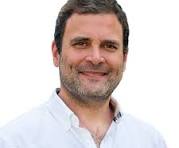
Senior Congress leader Rahul Gandhi accused the government led by Prime Minister Narendra Modi of allowing external pressure to influence India’s foreign policy, warning that the country’s sovereignty and independent decision-making were being compromised.
Rahul Gandhi’s Sharp Criticism on Social Media
In a strongly worded post on social media platform X, Rahul Gandhi said India’s foreign policy must emerge from the collective will of its people and be rooted in the nation’s history, geography, and spiritual ethos of truth and non-violence.
He argued that the current situation reflects not a strategic policy but the exploitation of a compromised leadership.
Gandhi also shared a video clip of his earlier speech in the Lok Sabha during the Budget Session, where he had warned that the United States might eventually dictate whether India could buy oil from countries like Russia or Iran.
Congress leaders circulated the clip widely on social media, claiming that Rahul Gandhi’s remarks had now proved prophetic.
Mallikarjun Kharge Escalates Attack
Congress President Mallikarjun Kharge intensified the criticism, alleging that India’s strategic autonomy and national sovereignty were under serious threat.
Kharge claimed that Prime Minister Narendra Modi was being “blackmailed” over the Epstein files and the Adani issue, though he did not provide details.
He also objected to the language reportedly used by the United States — words such as “allow” and “permission” — arguing that such terms are generally applied to sanctioned or dependent nations rather than equal partners in the global order.
Reference to Former Prime Ministers
Mallikarjun Kharge further invoked former Prime Ministers Jawaharlal Nehru, Indira Gandhi, and Atal Bihari Vajpayee, stating that none of them ever succumbed to pressure from foreign powers while shaping India’s foreign policy.
According to the Congress leadership, India’s diplomatic tradition has historically been built on strategic independence and national interest.
Political Row Likely to Intensify
The Congress’s allegations have added a new dimension to the political debate surrounding India’s energy imports and foreign policy choices.
With tensions between the ruling establishment and the opposition escalating, the issue is expected to trigger sharper political exchanges in the coming days, particularly over India’s strategic autonomy and its balancing act in global geopolitics.
 Modern Shrines Publications