

Special Correspondent: Arun Sharma
New Delhi
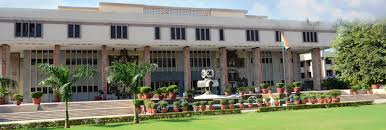
In a significant ruling balancing press freedom and child protection, the Delhi High Court has declined to impose a blanket gag order on media coverage in a road accident case involving a minor accused.
The Court emphasized that freedom of speech and expression is a cornerstone of democracy and cannot be curtailed without strong legal justification. However, it made it unequivocally clear that the identity, photograph, or any identifying details of the minor must not be disclosed.
Court’s Key Observations
Justice Saurabh Banerjee, during oral observations, remarked:
“There is no rule that mandates a complete halt to journalism.”
“Freedom of expression and press freedom are integral to a democratic society.”
The Court cannot pass orders that would effectively suppress the press.
At the same time, the Bench stressed that revealing the identity of a minor is strictly prohibited under law, and media houses must exercise restraint and responsibility in reporting.
Background of the Case
The matter pertains to a road accident in Delhi’s Dwarka area in which a 23-year-old motorcyclist lost his life. The accused was later identified as a minor.
The minor’s father had approached the High Court seeking a “blanket gag order” on media reporting, arguing that continuous coverage was causing mental harassment to the family.
Legal Proceedings and Investigation
The Delhi Police registered a case under provisions of the Bharatiya Nyaya Sanhita (BNS), including:
Section 281 (rash and negligent driving)
Section 125(a) (causing death by negligence)
Section 106(1) (endangering life)
The minor was produced before the Juvenile Justice Board and initially sent to an observation home. On February 10, he was granted bail to enable him to appear for his Class 10 board examinations.
Dispute Over Age
Interestingly, the FIR initially recorded the accused’s age as 19, leading to treatment as an adult. However, documents later submitted by the family established that he was a minor at the time of the incident.
Notice to Press Council
The High Court has also issued notice to the Press Council of India, seeking its response in the matter.
Balancing Rights and Responsibility
The ruling sends a clear message:
Press freedom cannot be stifled through sweeping prohibitions.
Protection of a minor’s identity remains non-negotiable.
Legal experts view the decision as an important step in striking a balance between constitutional freedoms and statutory safeguards, reinforcing that responsible journalism — not censorship — is the appropriate path in sensitive cases involving juveniles.In a significant ruling balancing press freedom and child protection, the Delhi High Court has declined to impose a blanket gag order on media coverage in a road accident case involving a minor accused.
The Court emphasized that freedom of speech and expression is a cornerstone of democracy and cannot be curtailed without strong legal justification. However, it made it unequivocally clear that the identity, photograph, or any identifying details of the minor must not be disclosed.
Court’s Key Observations
Justice Saurabh Banerjee, during oral observations, remarked:
“There is no rule that mandates a complete halt to journalism.”
“Freedom of expression and press freedom are integral to a democratic society.”
The Court cannot pass orders that would effectively suppress the press.
At the same time, the Bench stressed that revealing the identity of a minor is strictly prohibited under law, and media houses must exercise restraint and responsibility in reporting.
Background of the Case
The matter pertains to a road accident in Delhi’s Dwarka area in which a 23-year-old motorcyclist lost his life. The accused was later identified as a minor.
The minor’s father had approached the High Court seeking a “blanket gag order” on media reporting, arguing that continuous coverage was causing mental harassment to the family.
Legal Proceedings and Investigation
The Delhi Police registered a case under provisions of the Bharatiya Nyaya Sanhita (BNS), including:
Section 281 (rash and negligent driving)
Section 125(a) (causing death by negligence)
Section 106(1) (endangering life)
The minor was produced before the Juvenile Justice Board and initially sent to an observation home. On February 10, he was granted bail to enable him to appear for his Class 10 board examinations.
Dispute Over Age
Interestingly, the FIR initially recorded the accused’s age as 19, leading to treatment as an adult. However, documents later submitted by the family established that he was a minor at the time of the incident.
Notice to Press Council
The High Court has also issued notice to the Press Council of India, seeking its response in the matter.
Balancing
Press freedom cannot be stifled through sweeping prohibitions.
Protection of a minor’s identity remains non-negotiable.
Legal experts view the decision as an important step in striking a balance between constitutional freedoms and statutory safeguards, reinforcing that responsible journalism — not censorship — is the appropriate path in sensitive cases involving juveniles.
 Modern Shrines Publications