

Correspondent: Deepak Sagar,New Delhi
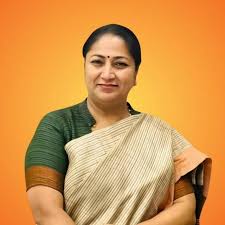
Marking the completion of one year in office, the Delhi government is set to present an extensive report card highlighting its performance across welfare, infrastructure, healthcare, transport, and environmental sectors. Under the leadership of Chief Minister Rekha Gupta, the administration claims to have accelerated development while prioritizing citizen-centric governance.
Two flagship initiatives — ‘Atal Canteen’ and the Free LPG Distribution Scheme — have emerged as the centrepieces of the government’s welfare narrative.
‘Atal Canteen’: Nutritious Meals at ₹5 with Dignity
The expansion of 70 operational Atal Canteens across the Capital is being projected as a strong social welfare intervention. Designed to support workers and economically weaker sections, the scheme offers wholesome meals at just ₹5.
Key Highlights:
70 canteens operational across Delhi
Balanced meals at ₹5 for the underprivileged
Thousands of beneficiaries daily
Focus on food security and social dignity
Officials say the initiative reinforces the message that responsive governance can effectively combat urban hunger while upholding human dignity.
Free LPG Cylinders: Festival Relief for Low-Income Families
In a move aimed at cushioning inflationary pressures, the government distributed free LPG cylinders to low-income households during major festivals such as Holi and Diwali.
Impact Areas:
Financial relief to lakhs of families
Direct support to women managing household kitchens
Promotion of clean fuel usage
Health and environmental benefits
The scheme is being positioned as both an economic and social support measure for vulnerable families.
Healthcare: Expanding Access and Trust
Under the Ayushman Arogya framework, over seven lakh residents have reportedly been registered, with thousands receiving free treatment.
Achievements:
Expansion of government hospital services
Free healthcare access for economically weaker sections
Strengthening of public health infrastructure
The government asserts that these efforts have enhanced healthcare security for marginalized communities.
Transport: Towards India’s Largest Electric Bus Network
The induction of 2,000 new buses and the placement of orders for 4,200 additional electric buses signal an ambitious push toward sustainable mobility.
Transport Initiatives:
Expansion of public bus fleet
Major investment in electric buses
Focus on reducing pollution
Improved commuter convenience
Officials claim Delhi is moving toward becoming home to the country’s largest electric bus network.
Infrastructure & Drainage: ₹56,000 Crore Overhaul
A large-scale ₹56,000 crore plan is underway to revamp Delhi’s drainage and sewer systems. Replacement of ageing pipelines and measures to tackle waterlogging aim to strengthen urban infrastructure resilience.
Environment: From Yamuna to the Ridge
Environmental protection has been another focal area:
Upgrade of 22 Sewage Treatment Plants (STPs) to curb pollution in the Yamuna
Plantation drive targeting 3.5 million trees
Proposal to notify 4,200 hectares of ridge land as forest area
The government states that these steps align with the broader goal of transforming Delhi into a greener and more sustainable capital.
Performance-Driven Governance
Within a year, the administration projects its governance model as results-oriented, combining welfare delivery with structural reforms. From affordable meals under the Atal Canteen initiative to free LPG cylinders and infrastructure expansion, the report card emphasizes direct impact on citizens’ daily lives.
As the government completes its first year, the narrative being advanced is clear: measurable delivery, social welfare focus, and accelerated development are shaping the next phase of Delhi’s growth trajectory.
 Modern Shrines Publications