

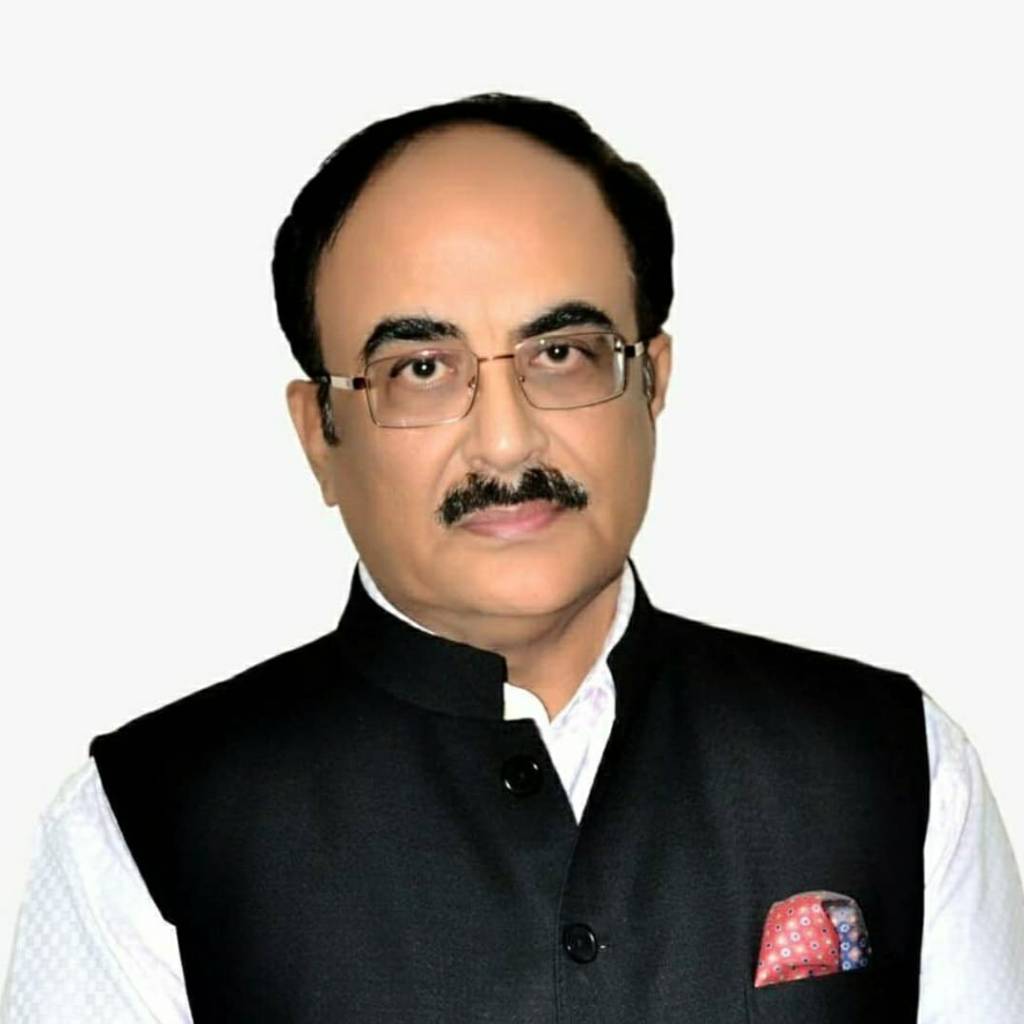
Munish Kumar Gaur
Advocate & Former Bureaucrat
Parliament is not a street-corner debate, nor is it a social media echo chamber where half-truths, leaks and drafts can be weaponised for momentary applause. It is the highest constitutional forum of the Republic, governed by rules, conventions and an unwritten discipline that separates democratic scrutiny from institutional sabotage. Against this backdrop, the recent conduct of Rahul Gandhi , in choosing to rely on an unpublished and unauthenticated manuscript of a former Army Chief inside the House , marks not just a procedural lapse, but a serious failure of parliamentary judgment.
During his intervention, Rahul Gandhi claimed that the unpublished memoir of former Army Chief General M. M. Naravane contained references suggesting that India’s political leadership had, at a critical moment, delayed or constrained military response and that the armed forces were “not given a free hand” during a sensitive national security episode. He further insinuated that these alleged revelations contradicted the government’s public narrative of decisive leadership and strategic clarity, thereby raising questions about transparency and accountability at the highest levels of decision – making. These are grave allegations. If substantiated through official records, parliamentary questions or published testimony, they would merit serious debate. But herein lies the crux of the problem that Rahul Gandhi chose not to rely on any authenticated document, official briefing, published interview, or verified parliamentary record. Instead, he leaned on a leaked, unpublished draft – material that neither Parliament nor the public has had the opportunity to examine in full, contextualise, or verify. Parliamentary conventions exist precisely to prevent such situations.
The rules of the Lok Sabha require that references made in debate be capable of verification by the House. An unpublished manuscript is still subject to edits, clarifications, legal vetting and authorial consent fails this elementary test. By citing it, Rahul Gandhi asked Parliament to accept selective excerpts as settled truth, even as the alleged author and publisher had not formally released or authenticated the material.
From a political standpoint, this episode reflects a recurring pattern. Rather than pursue accountability through established parliamentary instruments , questions, calling attention motions, committee scrutiny , Rahul Gandhi opted for provocation over precision. The consequence was inevitable as the debate shifted away from the government’s conduct to the Opposition leader’s methods, allowing the substantive issue to be buried under procedural disorder.
More dangerously, the content he chose to highlight touched upon the sensitive domain of civil – military relations. India’s constitutional architecture rests on a deliberate separation between political contestation and the apolitical professionalism of the armed forces. Memoirs, especially those written by former service chiefs, are personal narratives shaped by memory and perspective, not institutional verdicts. To lift selective lines from an unpublished draft and project them as conclusive evidence in Parliament risks politicising the military and eroding a carefully preserved national consensus.
The legal position, however, must be stated with clarity rather than political hyperbole. Despite demands for criminal action, the threshold for registering an FIR against Rahul Gandhi for his parliamentary speech remains exceptionally high. Article 105 of the Constitution provides Members of Parliament immunity for speeches made inside the House. Indian constitutional jurisprudence has consistently warned against using criminal law to police legislative debate.
That said, parliamentary privilege is not a shield for irresponsibility. While criminal prosecution is unlikely to withstand judicial scrutiny, parliamentary remedies remain very much alive. The Speaker is constitutionally empowered to disallow references, expunge remarks, or permit a privilege or ethics inquiry where the dignity of the House is compromised or members are alleged to have misled Parliament. Accountability, in this context, lies within Parliament, not through police intervention. It is also essential to underline a critical distinction between the FIR that has been registered pertains to the unauthorised leak and circulation of the unpublished manuscript itself. That raises separate legal questions that is copyright infringement, breach of confidentiality and potential conspiracy. Investigating the source of the leak is legitimate and necessary. But conflating that investigation with parliamentary speech would be legally flawed and constitutionally perilous.
It is a Self – Inflicted Wound caused by an immature decision. In the final analysis, Rahul Gandhi undermined his own stated objective. By relying on an unpublished source to allege governmental failure in national security decision – making, he handed the government an opportunity to evade scrutiny and focus instead on procedural impropriety. What could have been a structured challenge turned into a self-inflicted wound.
Democracy demands a vigilant Opposition, but vigilance without discipline degenerates into disruption. If the allegations he alluded to are serious, they deserve to be raised through verifiable material and institutional processes. Parliament deserves arguments built on facts transparently placed before the nation – not on leaked drafts circulating in digital shadows. Accountability cannot be pursued by abandoning responsibility. And credibility cannot be claimed by bypassing the very rules that sustain democratic debate.
 Modern Shrines Publications