

Special Correspondent: Arun Sharma
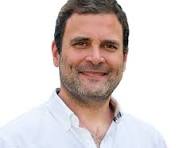
New Delhi: The proposed trade agreement between India and the United States has ignited a fierce political confrontation, with Congress leader Rahul Gandhi launching a direct attack on the government and demanding clarity from Prime Minister Narendra Modi.
Alleging that the deal could significantly impact India’s farmers and agricultural framework, Rahul questioned whether the government is preparing to open domestic markets under American pressure.
The Five Big Questions Raised by Rahul Gandhi
Rahul described them as “simple but crucial” questions:
Is India planning to open its agricultural markets to American farm products?
Will Indian farmers face another “price shock” as a result?
Will the dairy and grain sectors see increased entry of foreign corporations?
Is the government reconsidering its position on Genetically Modified (GM) crops?
Will MSP (Minimum Support Price) and agricultural safeguards be weakened?
Farmers’ Interests at the Core of the Debate
The Congress leader warned that the influx of American wheat, pulses, and dairy products could disrupt India’s existing agricultural ecosystem. He specifically flagged concerns around GM crops, urging the government to clearly spell out its stance.
According to the opposition, food security and farmers’ livelihoods must not be compromised in the name of trade diplomacy.
Political Temperatures Rising
The issue has rapidly transformed from a trade negotiation into a major domestic political flashpoint. The opposition frames it as a decisive battle for farmers’ rights, while the government has so far not issued a detailed official clarification.
With Parliament sessions ahead, the matter is expected to intensify both inside the House and on the streets.
The Larger Political Message
What began as an international trade negotiation is now shaping up as a defining political narrative. The central question remains:
Is India negotiating from a position of strength — or bending under external pressure?
As the debate unfolds, transparency, farmer protection, and national economic interest are likely to dominate the political discourse in the coming days.
 Modern Shrines Publications