

New Delhi Special Correspondent: Arun Sharma
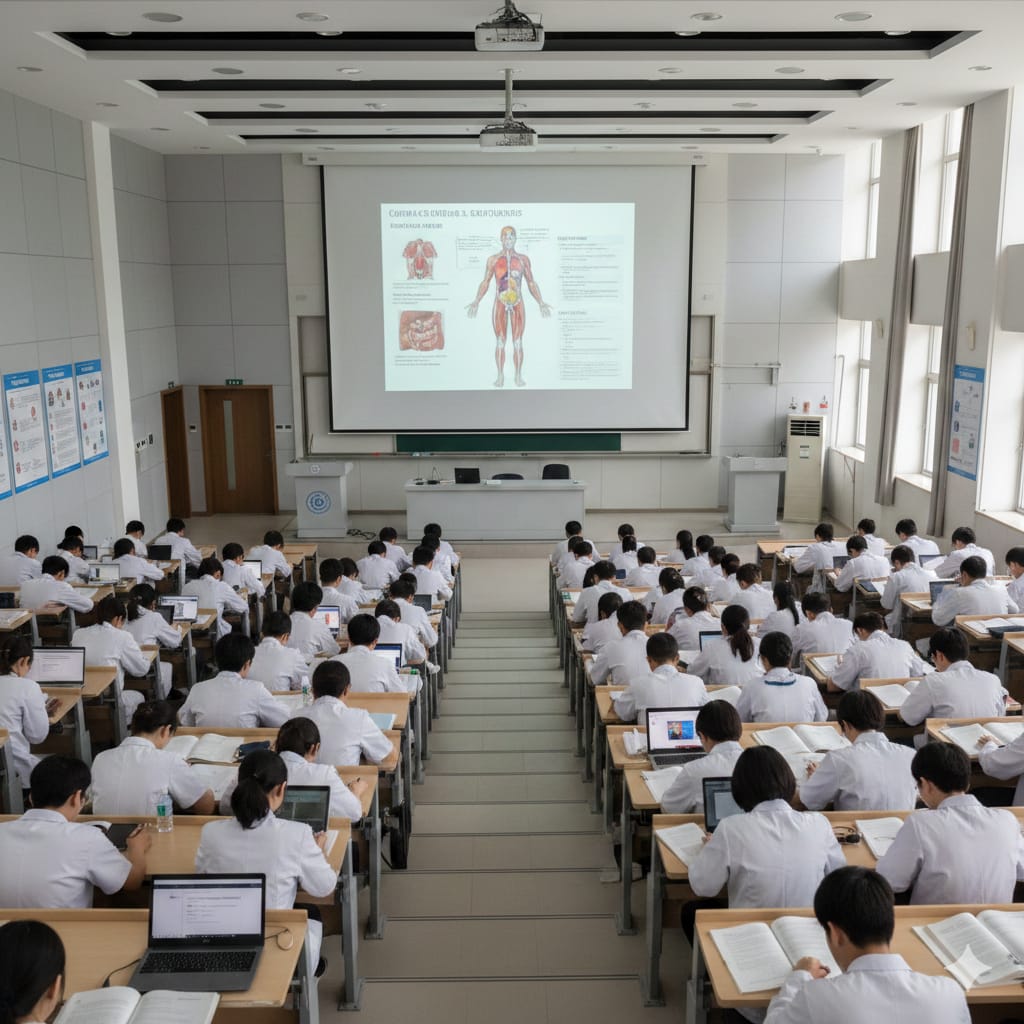
Serious questions have been raised over the quality of medical education at the ESIC Model Hospital and PGIMSR in Basaidarapur, where MBBS admissions have commenced despite the absence of professors in three core pre-clinical departments — Anatomy, Physiology and Biochemistry.
The institution, run under the Employees’ State Insurance Corporation (ESIC), is part of the Centre’s broader expansion of healthcare education. However, information obtained through the Right to Information (RTI) Act reveals significant faculty shortages in critical teaching departments that form the academic foundation of undergraduate medical training.
Faculty Shortfall in Core Departments
As per parliamentary norms, the three pre-clinical departments together require 20 faculty and resident positions, including:
3 Professors
3 Associate Professors
4 Assistant Professors
7 Tutors/Demonstrators
3 Senior Residents
At present, not a single Professor is appointed. The available staff includes:
1 Associate Professor
3 Assistant Professors
9 Tutors/Demonstrators
2 Senior Residents
This leaves five sanctioned posts vacant, including all three Professor-level positions.
Department-Wise Concerns
Anatomy: Two Assistant Professors and four Tutors are in place, but there is no Professor, Associate Professor or Senior Resident.
Physiology: One Associate Professor and one Assistant Professor (both on contract), along with three Tutors, are serving. However, Professor and Senior Resident posts remain vacant.
Biochemistry: Two Tutors and two Senior Residents are available, but there are no Professors, Associate Professors or Assistant Professors.
Academic experts note that pre-clinical subjects are the backbone of the MBBS curriculum. The absence of senior faculty, particularly Professors, may affect academic supervision, mentorship and overall training quality.
Infrastructure Gaps Add to Worries
Concerns extend beyond faculty shortages. Sources indicate that the Anatomy department currently has only three cadavers for undergraduate training. Hostel capacity also appears limited, with just seven rooms for male students and two for female students. Despite this, accommodation has been allotted to 27 first-year MBBS students for the 2025–26 academic session.
National-Level Implications
Medical education specialists argue that while expanding the number of medical colleges is a welcome step, quality standards must not be compromised. “Pre-clinical departments lay the foundation of a doctor’s training. The absence of Professors and senior faculty directly impacts academic depth and supervision,” a senior academician said.
The case has triggered broader debate over whether infrastructure and staffing benchmarks are being fully met alongside rapid expansion in medical seats across the country.
Awaiting Official Response
Attempts were made to contact concerned authorities for an official response. However, no statement had been received at the time of publication.
The episode has reignited questions about maintaining quality assurance in medical education. Experts caution that unless vacant posts are filled promptly, the long-term impact could extend beyond campuses to the nation’s healthcare delivery system itself.
 Modern Shrines Publications