

New Delhi, February 11, 2026: Special Correspondent Arun Sharma
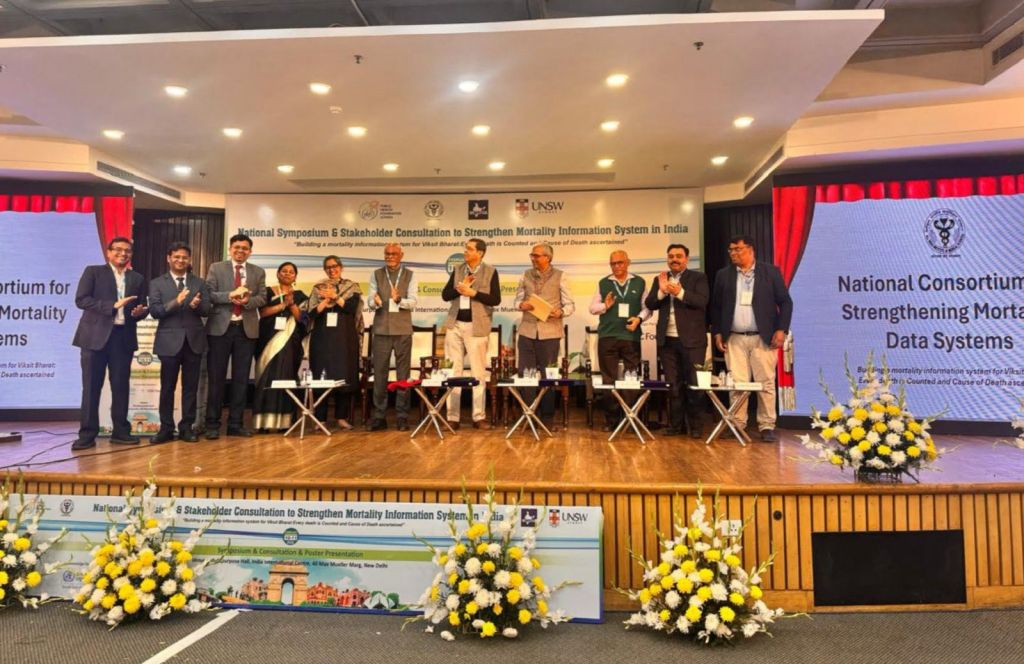
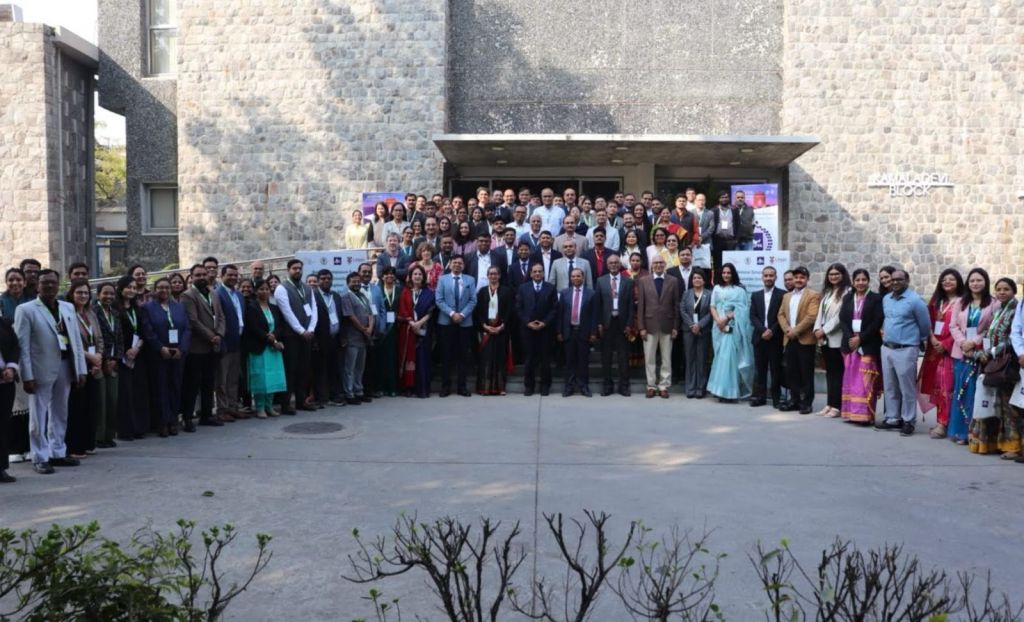
In a significant move aimed at strengthening evidence-based governance and advancing India’s public health architecture, the All India Institute of Medical Sciences (AIIMS), New Delhi hosted a two-day National Consultation and Stakeholder Meet on “Strengthening Mortality Information Systems.” The high-level conclave brought together leading national and international institutions including the Public Health Foundation of India, University of New South Wales (Australia), WHO-India, CDC Foundation, and Vital Strategies.
The conference underscored India’s commitment to building a robust, digitally integrated and analytically sound mortality surveillance system aligned with global standards.
“Every Death Must Be Counted, Every Cause Must Be Known”
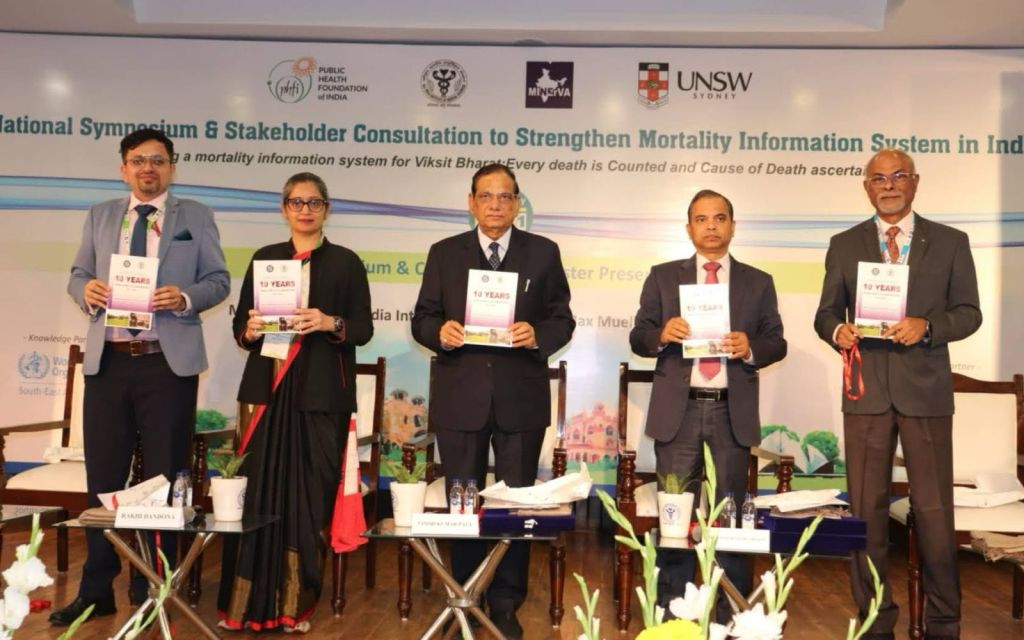
Delivering the inaugural address, Dr. Vinod K. Paul, Member, NITI Aayog, stressed that a developed India cannot be envisioned without a complete and scientifically validated mortality database. He described integrated and interoperable mortality systems as the backbone of evidence-driven policymaking.
“A truly developed nation ensures that every death is registered and every cause is medically certified,” Dr. Paul stated, highlighting the importance of real-time, high-quality data in shaping public health interventions.
India’s Registrar General and Census Commissioner, Mr. Mritunjay Kumar Narayan, elaborated on the digital transformation and legal strengthening of the Civil Registration and Vital Statistics (CRVS) system. He emphasized ongoing efforts to make mortality data more accessible, timely and policy-relevant.
Focus on MCCD, Verbal Autopsy and Digital Integration
Key deliberations during the consultation included:
Strengthening death registration coverage and mortality estimation
Improving Medical Certification of Cause of Death (MCCD)
Expanding verbal autopsy systems for non-institutional deaths
Enhancing digital interoperability across health data platforms
Developing a national roadmap aligned with public health priorities
Experts highlighted that without accurate identification of causes behind rural and home-based deaths, effective health planning would remain incomplete.
“Beyond Counting Deaths—Understanding Why They Occur”
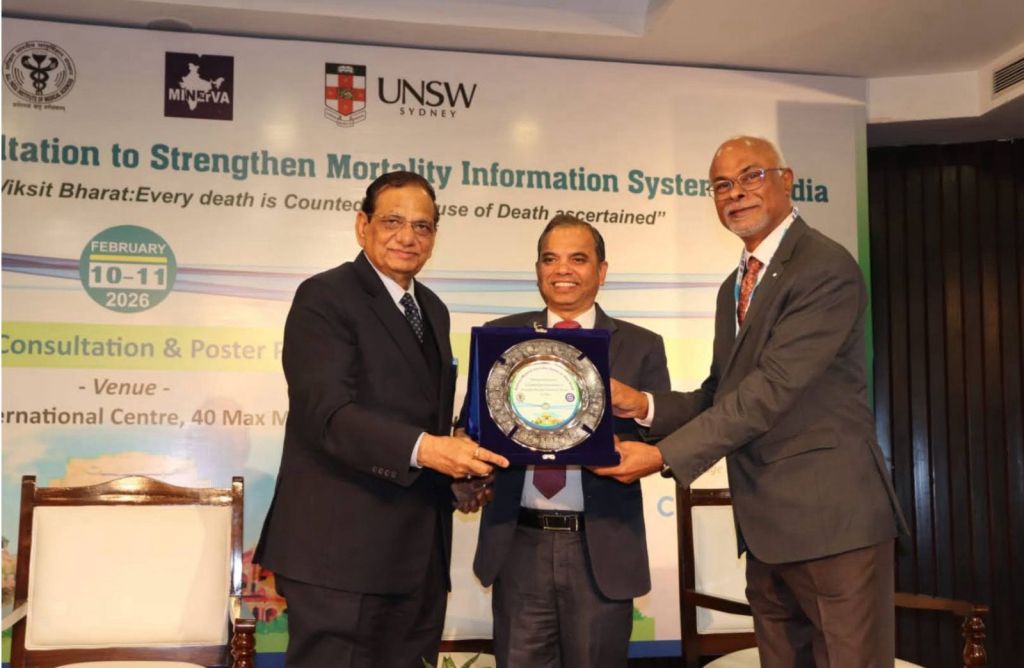
In the valedictory session, Dr. Rajiv Bahl, Director General of ICMR and Secretary, Department of Health Research, emphasized that true progress lies not only in recording deaths but in understanding who died, where, and why.
He called for sustained multi-sectoral coordination among ORGI, NITI Aayog, the Ministry of Health and academic institutions to improve the quality and analytical depth of mortality data.
Launch of National Consortium
The event also marked the formal launch of a “National Consortium for Strengthening Mortality Data Systems,” aimed at fostering coordinated action between government agencies and academic bodies. The consortium will focus on improving data quality, certification standards and digital integration mechanisms.
A commemorative publication was released to mark a decade of collaboration between AIIMS and the Office of the Registrar General of India in advancing mortality and cause-of-death reporting.
Strengthening India’s Public Health Foundation
Public health experts believe that timely and accurate mortality data will significantly improve epidemic preparedness, reduce maternal and child mortality, and enable better allocation of healthcare resources.
The AIIMS-led consultation is being seen as a milestone in aligning India’s mortality information systems with global benchmarks—reinforcing the nation’s ambition to build a resilient, data-driven and accountable healthcare ecosystem.
 Modern Shrines Publications