

New Delhi | Special Correspondent: Deepak Sagar
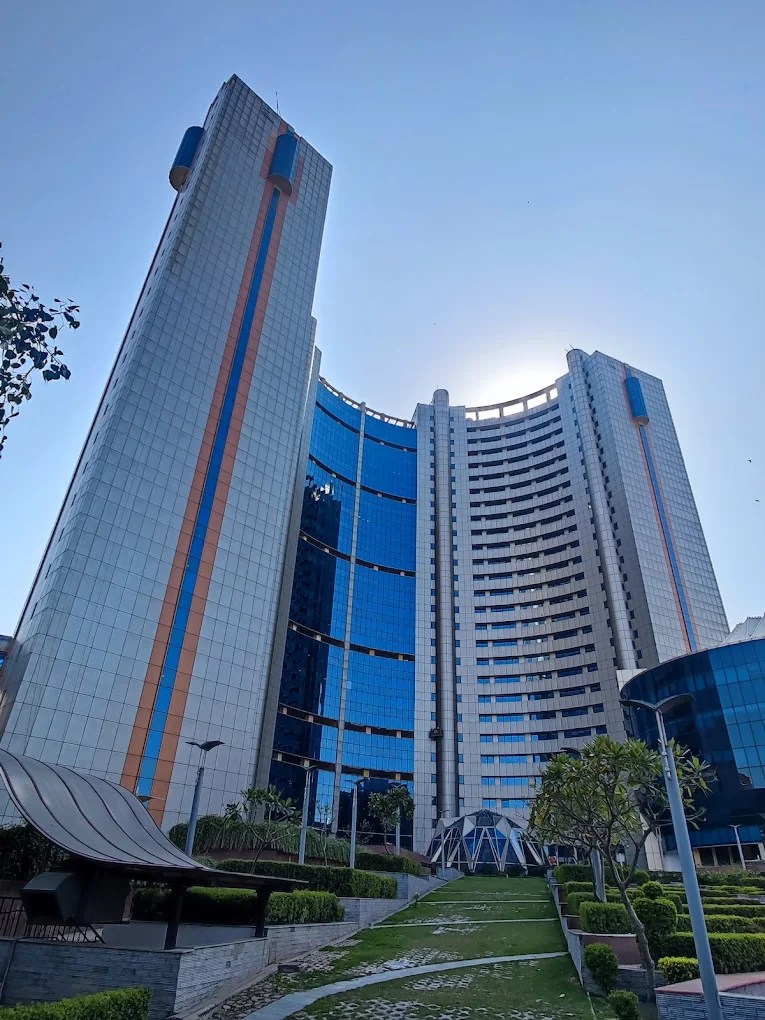
After years of political friction slowing down civic work, Delhi’s development machinery has shifted into action mode with the formation of a BJP-led government. In a significant administrative move, the Municipal Corporation of Delhi (MCD) has approved a proposal to align the names of its zones with the Delhi government’s revenue districts, a step being seen as crucial to breaking long-standing bottlenecks in urban development.
The proposal will soon be forwarded to the Central Government for final approval. Political observers say the decision could revive several stalled infrastructure and civic projects that had been trapped in bureaucratic and political crossfire.
When Name Confusion Became a Development Roadblock
For years, Delhi’s governance suffered due to:
Different administrative structures of the Delhi government and the MCD
Mismatch between MCD zone names and revenue district names
Constant political and jurisdictional disputes
As a result, key civic issues such as roads, sewer systems, waterlogging, parks and urban redevelopment remained stuck on paper. Officials admit that confusion over jurisdictions complicated everything—from review meetings to ground-level execution, ultimately hurting the public.
BJP Government Brings Delhi into “Development Mode”
Since the BJP took charge:
Administrative reforms are being fast-tracked
Coordination between the Centre, Delhi government and MCD has improved
Efforts are underway to keep development projects out of political conflict
The decision to standardise the names of MCD zones and revenue districts is being described as a decisive and structural reform aimed at restoring efficiency.
No More Excuses for Delayed Projects
Under the proposal:
Either MCD zone names will be aligned with revenue districts
Or revenue district names will be adopted for MCD zones
This clarity is expected to fix accountability in projects related to roads, drainage, encroachment removal and redevelopment, ensuring that agencies can no longer shift blame.
Political circles believe the move will put an end to years of blame games and administrative delays between the Delhi government and the civic body.
Beyond Politics, a Clear Message on Governance
Sources indicate that this is not just an administrative correction but a strong political signal—that Delhi’s governance will now prioritise coordination over confrontation. Once approved by the Ministry of Home Affairs, the policy will be implemented on the ground.
If executed effectively, analysts say, the move could mark a turning point in Delhi’s urban governance, clearing the path for faster, smoother and more accountable development across the capital.
 Modern Shrines Publications