

New Delhi | Special Correspondent: Arun Sharma
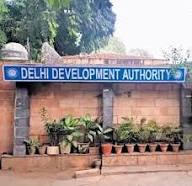
n a significant submission before the National Green Tribunal (NGT), the Delhi Development Authority (DDA) has stated that the pond allegedly filled near Wazirabad was never classified as a wetland, nor was it recorded as such in any official government documents.
The matter came under judicial scrutiny after the Green Court took suo motu cognisance of a media report claiming that an ecologically active waterbody had been filled using waste material. The report alleged that the waterbody had disappeared under layers of garbage, raising serious environmental concerns.
DDA’s Stand Before the Court
Placing its position on record, the DDA told the NGT that the land in question was privately owned and later acquired through due legal process. It asserted that at no point was the land identified as a ‘johad’ or a notified wetland, including in revenue or possession records dating back to 1983.
The authority further clarified that the land does not feature in the list of 1,047 wetlands notified by the Delhi Wetland Authority, thereby ruling out any statutory violation related to wetland protection.
Use of Inert Waste Explained
Addressing concerns over environmental damage, the DDA informed the court that the filling activity involved scientifically processed inert waste, described as non-biodegradable, non-reactive and free from organic content. According to the submission, such material does not generate leachate, odour or harmful emissions, and is considered safe under solid waste management norms.
Role of Civic and Pollution Bodies
Earlier, the Municipal Corporation of Delhi (MCD) had told the NGT that the responsibility for landfilling rested with a private concessionaire, while the Central Pollution Control Board (CPCB) maintained that solid waste management rules were duly followed during the process.
Court Continues Examination
While noting the submissions, the National Green Tribunal has continued to examine the matter, seeking clarity on ecological impact and accountability. The case is being closely watched, as it touches upon broader concerns related to urban development, waterbody protection and environmental governance in the national capital.
The tribunal is expected to take a considered view after evaluating responses from all stakeholders.
 Modern Shrines Publications