

New Delhi | Special Correspondent: Arun Sharma
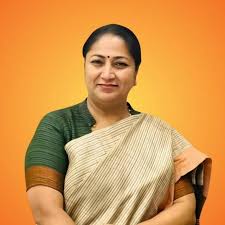
In a decisive push to restore Delhi’s most iconic river, Chief Minister Rekha Gupta has rolled out a mission-mode action plan to rejuvenate the Yamuna, placing scientific planning, strict timelines and administrative coordination at the heart of the government’s strategy. The initiative aims to ensure that not a single drop of untreated sewage enters the river, reaffirming the government’s resolve to reclaim the Yamuna as the capital’s lifeline.
The roadmap was finalised at a high-level review meeting chaired by the Chief Minister at the Delhi Secretariat, where officials were directed to accelerate projects linked to sewage treatment, sanitation infrastructure and river pollution control. Senior officials said the plan reflects a clear political and administrative commitment to tackle one of Delhi’s most persistent environmental challenges.
At the core of the strategy is a massive expansion of Delhi’s sewage treatment capacity. At present, the city treats around 814 million gallons per day (MGD) of wastewater through 37 sewage treatment plants. Under the Chief Minister’s directive, this capacity will be scaled up to nearly 1,500 MGD, almost doubling the current treatment capability.
According to the plan, 56 MGD of additional capacity will be created by upgrading existing plants by December 2027. A further 170 MGD will come from 35 new decentralised sewage treatment plants, while large treatment facilities on major drains will add another 460 MGD by December 2028.
Chief Minister Rekha Gupta said the expansion would significantly improve water quality in the Yamuna, reduce pollution and foul odour, and help revive aquatic life. “The goal is clear—clean water, a healthier environment and a river that once again becomes a source of pride for Delhi,” officials quoted her as saying.
The initiative also focuses on plugging long-pending gaps in sewer connectivity across unauthorised colonies and urban villages. Completion of these projects will replace open drains with closed sewer networks, preventing untreated waste from flowing directly into the river. Officials estimate that millions of residents will benefit from improved sanitation and cleaner surroundings.
In a move reflecting long-term planning, the Delhi Jal Board has also approved consultancy services for the preparation and revalidation of the Water Master Plan–2051, which will chart the city’s future water supply augmentation, infrastructure modernisation and sewage management framework.
Policy observers say the Chief Minister’s hands-on leadership has brought renewed urgency to the Yamuna rejuvenation agenda. With clear milestones and institutional accountability built into the plan, the government’s approach signals a shift from piecemeal interventions to comprehensive, outcome-driven environmental governance.
As Delhi continues to grapple with pollution and rapid urbanisation, the Yamuna revival plan under Chief Minister Rekha Gupta is being seen as a defining test of the capital’s environmental future—and a bold attempt to turn long-standing intent into measurable results.
 Modern Shrines Publications