

New Delhi | Special Correspondent: Arun Sharma
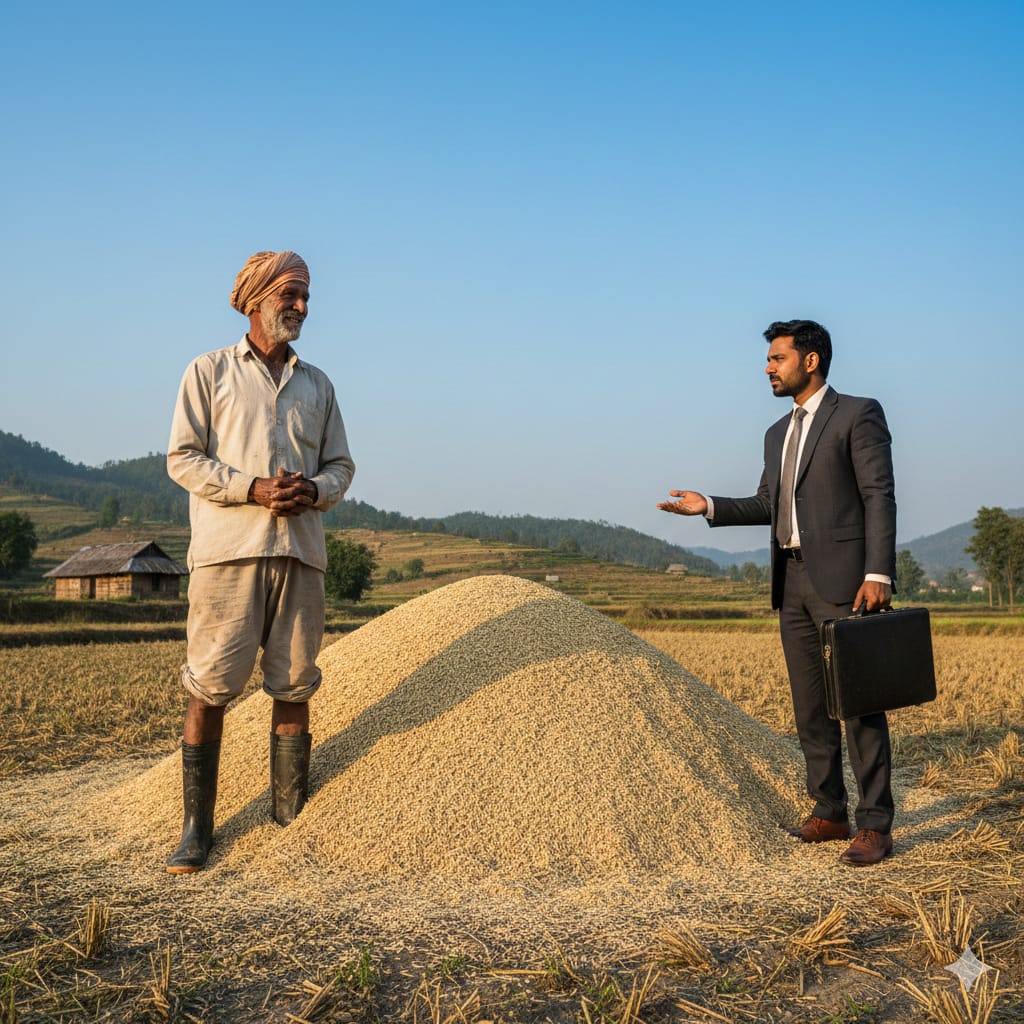
The ripple effects of the ongoing Iran-related crisis are now being felt far beyond geopolitics, reaching deep into India’s agricultural heartland and global trade corridors. What began as a diplomatic and trade disruption has evolved into a human and economic story, impacting rice farmers, exporters, traders and millions of consumers who depend on rice as a staple food.
Thousands of tonnes of Indian rice meant for Iran remain stranded at ports, freezing payments and halting fresh shipments. For rice farmers, particularly those cultivating basmati, the uncertainty has triggered deep anxiety. Their year-long labour, invested in seeds, irrigation and harvesting, now faces the risk of falling prices and delayed procurement. Farmer groups warn that prolonged export disruptions could severely dent rural incomes and confidence ahead of the next sowing season.
The shock is equally severe for rice traders and exporters, many of whom have large consignments stuck at Indian ports with payments worth hundreds of crores of rupees delayed. Exporters say shipping lines are demanding advance payments and additional charges, escalating costs while cash flows dry up. Small and medium traders are among the worst hit, calling the situation “one of the biggest trade setbacks in recent years.”
Market associations estimate that rice consignments worth thousands of crores are currently immobilised, bringing sales and purchases to a near standstill. The disruption has exposed the fragility of global supply chains and the heavy dependence of Indian rice exports on a few key international markets.
Beyond farms and trading houses, the crisis also raises concerns for global food consumers. Experts caution that if the situation persists, it could disturb domestic supply-demand equations. While farmers fear price crashes due to excess stock, prolonged trade instability could also create volatility that eventually pushes prices higher for consumers in importing and exporting countries alike.
Iran has historically been one of the largest buyers of Indian rice, especially premium basmati varieties. The present disruption, therefore, is not merely a bilateral trade issue—it threatens the entire rice ecosystem, from cultivators and exporters to international buyers and households that rely on rice for daily sustenance.
As fields wait for fair prices, traders await payments, and consumers watch markets closely, the Iran crisis has transformed into a global food and trade challenge. From India’s farms to international dining tables, the burden of uncertainty is growing—underscoring the urgent need for diplomatic clarity and trade solutions to stabilise one of the world’s most essential food commodities.
 Modern Shrines Publications