

New Delhi | Arun Sharma
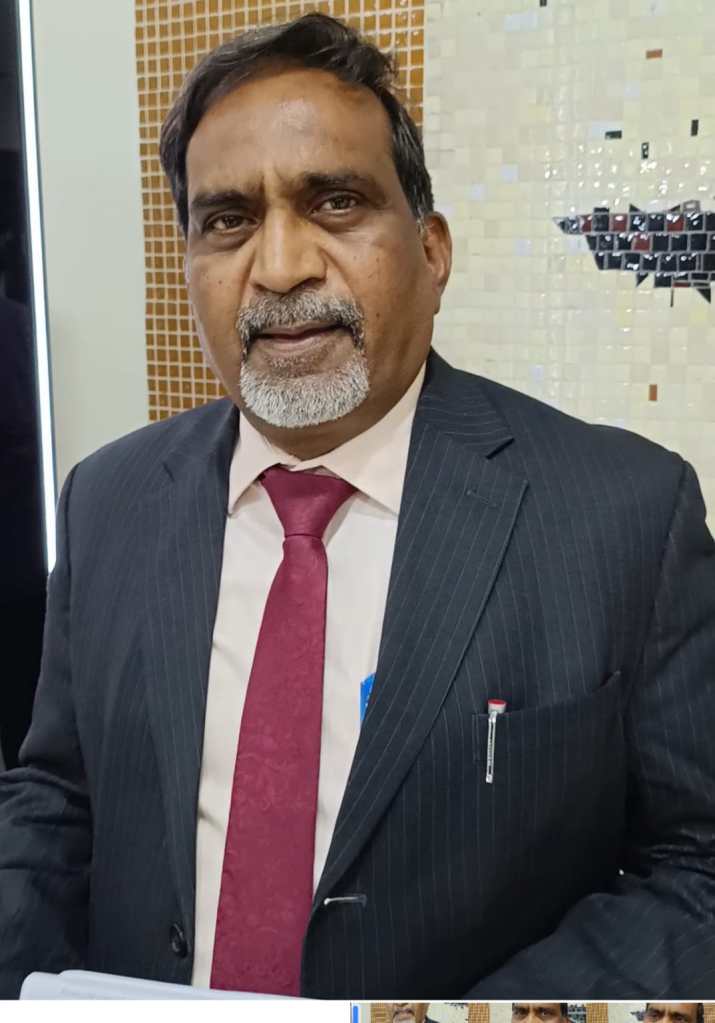
The National Tobacco Quit Helpline (1800-112-356), operated by the Vallabhbhai Patel Chest Institute (VPCI) under the Union Ministry of Health and Family Welfare, has emerged as a powerful public health tool, helping nearly 35 per cent of registered users successfully quit tobacco, including smokeless forms, VPCI Director Prof Raj Kumar said on Tuesday.
Speaking on the sidelines of the Institute Day programme, Prof Kumar said the helpline, launched in 2016, has played a critical role in tobacco cessation through structured counselling and sustained follow-up support.
“The helpline is much more than a call-answering service. Once a user reaches out, they are connected to a trained counsellor, followed by proactive outbound calls, fixing a quit date, pre-quit counselling and systematic follow-ups after quitting—at seven days, one month, three months and nine months,” he said, underlining that this comprehensive model is key to its success.
According to VPCI data, the helpline has received around one crore calls from Delhi alone since its inception, with nearly six lakh callers enrolled for structured cessation support. Of these, about 35 per cent successfully quit tobacco, a success rate Prof Kumar described as encouraging when compared with global tobacco cessation outcomes.
“The data clearly demonstrates that helpline-based interventions are not only effective but also highly cost-efficient,” he added.
Initially launched from VPCI, the National Quit Helpline was later expanded with satellite call centres at NIMHANS, Bengaluru; Tata Memorial Cancer Institute, Mumbai; and the Regional Cancer Institute, Guwahati. These centres operate from 8 am to 8 pm, except Mondays, and offer counselling in 15 Indian languages, significantly improving accessibility across the country.
Prof Kumar also highlighted that the Government of India has mandated, through a Gazette notification, the printing of the national quit helpline number on all tobacco products. “This ensures that anyone willing to quit tobacco has immediate access to professional support,” he said.
VPCI has conducted multiple studies to assess the impact of government investment in helpline-based cessation programmes. “Our research confirms that quit helplines are evidence-based, scalable and effective tools to break tobacco addiction,” Prof Kumar noted.
Public health experts believe that strengthening and expanding such low-cost, easily accessible interventions could play a decisive role in reducing India’s tobacco-related disease burden, as tobacco continues to be one of the leading causes of preventable illness and death in the country.
 Modern Shrines Publications