

New Delhi | Special Correspondent Arun Sharma
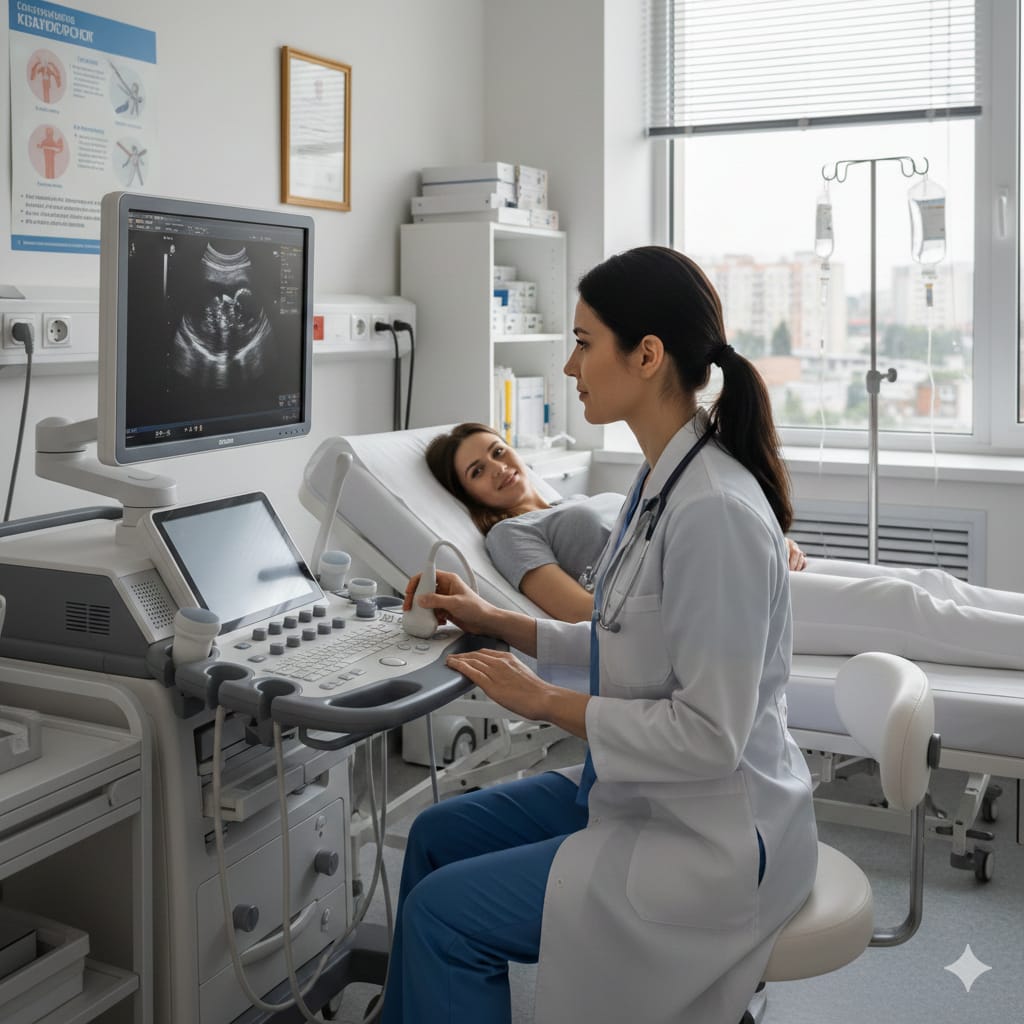
Delhi’s healthcare system is facing a stark and troubling contradiction. While the government highlights the rapid expansion of Ayushman Arogya Mandirs as a milestone in strengthening primary healthcare, the reality inside the capital’s major government hospitals tells a very different story. For thousands of patients, essential diagnostic tests like MRI, CT scans and ultrasounds have turned into a luxury rather than a basic medical right.
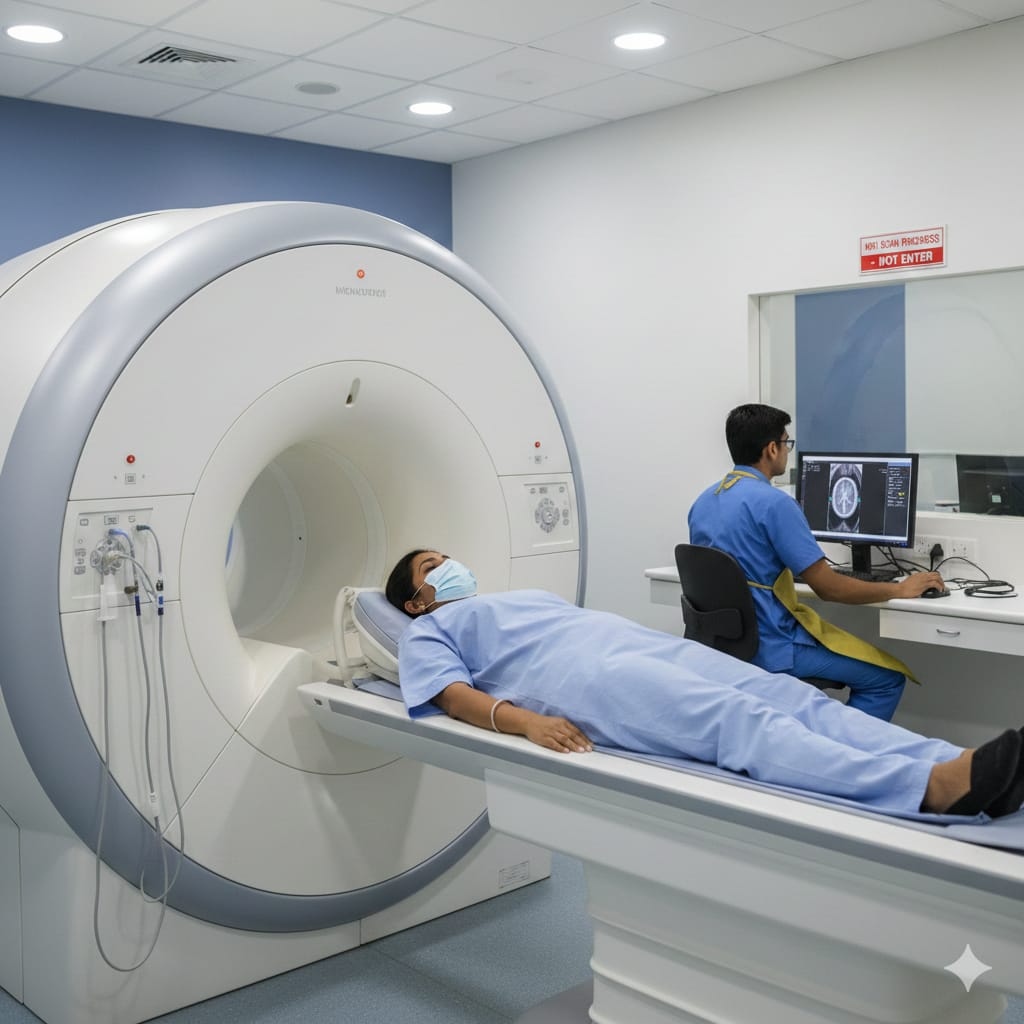
At some of Delhi’s largest government hospitals — Lok Nayak Jai Prakash (LNJP), Guru Teg Bahadur (GTB), Deen Dayal Upadhyay (DDU) and Lal Bahadur Shastri Hospital — diagnostic infrastructure is under severe stress. MRI and CT scan machines are either too few in number or remain non-functional for long periods. As a result, long waiting lists have become the norm, leaving patients anxious, untreated and vulnerable.
Years of Waiting for a Single Test
For out-patient department (OPD) patients, the waiting period for an MRI has reportedly stretched from one to three years. CT scans take up to six months, while even an ultrasound often requires a wait of one to two months. Doctors may prescribe timely investigations, but delayed diagnostics frequently allow diseases to worsen before treatment can even begin.
Ayushman Arogya Mandirs vs Ground Reality
The government maintains that Ayushman Arogya Mandirs are bringing quality primary healthcare closer to neighbourhoods. However, health experts point out that once a patient requires advanced diagnostics or specialised care, the system begins to collapse. The lack of coordination between primary centres and tertiary hospitals has rendered the promise of seamless healthcare largely incomplete.
Private Diagnostics: A Costly Compulsion
With government hospitals unable to provide timely tests, patients are being forced to turn to private diagnostic centres. MRI and CT scans in the private sector cost anywhere between ₹3,000 and ₹25,000 — an expense that hits poor and middle-class families the hardest. For many, arranging money for tests has become as challenging as fighting the illness itself.
Doctors Sound the Alarm
Medical professionals warn that delays in diagnostics directly impact treatment outcomes and, in several cases, turn manageable conditions into critical ones. The shortage of modern diagnostic facilities is also affecting medical education, limiting hands-on training for students and raising concerns about the future quality of healthcare services.
Questions Over Delhi Arogya Kosh
The Delhi Arogya Kosh (DAK) scheme, meant to provide free or subsidised diagnostics, has also come under scrutiny. Due to complex procedures and limited coverage, only a small fraction of patients benefit, leaving many deserving cases outside the safety net.
Government Assurances, Slow Progress
Government sources claim that new MRI and CT scan machines are in the pipeline and that Public-Private Partnership (PPP) models have been introduced in some hospitals. However, on the ground, the pace of improvement remains slow, and patient distress continues unabated.
Overall, Delhi’s healthcare system appears caught between ambitious policy announcements and harsh realities inside hospital corridors. Until the gap between primary care expansion and advanced diagnostic capacity is urgently addressed, affordable and timely healthcare will remain more of a promise on paper than a reality for millions of citizens. This is not just a policy issue — it is a national concern rooted in everyday public suffering, demanding immediate attention at the highest level.
 Modern Shrines Publications