

New Delhi | Special Correspondent: Arun Sharma
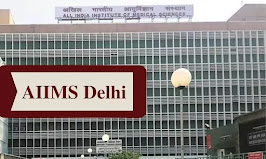
In a significant relief for epilepsy patients seeking treatment at the All India Institute of Medical Sciences (AIIMS), the premier medical institution is set to launch free Therapeutic Drug Monitoring (TDM) tests. The initiative aims to ease both the financial and logistical burden on patients, who earlier had to undergo these tests at private laboratories at a considerable cost.
With the introduction of this facility, patients will no longer be required to go outside the hospital or pay any charges for the tests. The AIIMS administration has issued directives to all departments and centres, including the National Cancer Institute (NCI), to ensure that patient samples are sent to the designated laboratory for testing.
Under the Therapeutic Drug Monitoring programme, patients will be able to undergo monitoring for commonly prescribed anti-epileptic drugs such as Phenobarbital, Carbamazepine, Valproic Acid and Phenytoin.
According to the AIIMS Media Cell, Therapeutic Drug Monitoring is a specialised blood test used to measure the level of specific medicines in the bloodstream. This helps doctors assess the effectiveness of the prescribed dosage and make necessary adjustments. The test also plays a crucial role in identifying whether a drug is reaching toxic levels in the body.
Epilepsy patients are often prescribed multiple long-term medications, making regular monitoring essential to ensure both safety and efficacy. Recognising this need, AIIMS has decided to provide free TDM testing for the above-mentioned drugs for both hospitalised patients and those visiting the OPD.
The facility will be available to OPD patients at AIIMS Delhi’s Collection Centre, Room No. 3, from 8:30 am to 1:00 pm. The same service will also be extended to patients at the National Cancer Institute, Jhajjar (AIIMS).
Until now, patients had to spend anywhere between ₹390 and ₹1,880 for Therapeutic Drug Monitoring tests at private laboratories, depending on the medication being tested. The new initiative is expected to provide substantial financial relief, particularly to economically weaker patients.
Healthcare experts believe that the move will not only improve treatment outcomes for epilepsy patients but also strengthen AIIMS’ commitment to accessible, affordable and patient-centric healthcare.
 Modern Shrines Publications