

New Delhi | Arun Sharma

India’s mental healthcare system is facing a silent but serious crisis, with over 80–85 per cent of people suffering from mental illnesses failing to receive timely or adequate treatment, the Indian Psychiatric Society (IPS) has warned. The concern was highlighted at the curtain-raiser event of the 77th Annual National Conference of the Indian Psychiatric Society (ANCIPS 2026, Delhi), scheduled to be held from January 28 to 31 at Yashobhoomi.
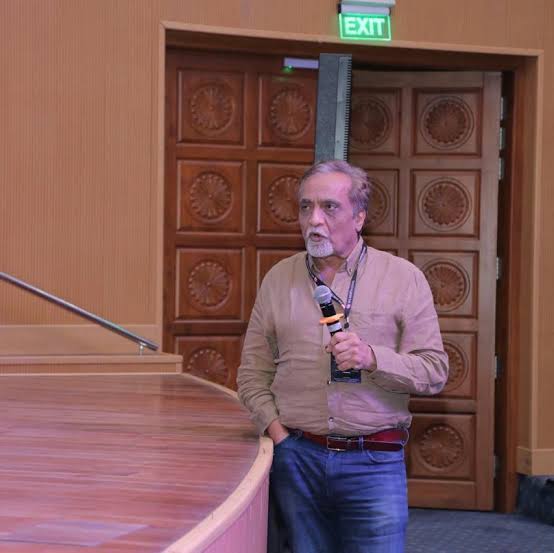
Speaking at the event, Dr Nimesh G. Desai, Chairperson of the ANCIPS Organising Committee and former Director of the Institute of Human Behaviour & Allied Sciences (IHBAS), sounded a strong warning on the consequences of delayed psychiatric care.
“When treatment is delayed, mental illness often becomes severe and chronic. This leads to increased disability, family distress, loss of productivity, and a much higher risk of self-harm and suicide. Mental health must be treated with the same urgency as physical health,”
— Dr Nimesh G. Desai
One of the Widest Treatment Gaps in the World
Citing data from the National Mental Health Survey (NMHS), experts noted that India has one of the largest mental health treatment gaps globally. More than 85 per cent of people with common mental disorders do not access professional care. Globally, over 70 per cent of individuals with mental illness remain untreated, while in low-income countries, access drops to less than 10 per cent.
Treatable Disorders, Neglected Patients
IPS President Dr Savita Malhotra emphasised that most mental health conditions are highly treatable if identified early.
“The fact that more than 80 per cent of patients in India remain untreated reflects deep-rooted stigma, lack of awareness, and poor integration of mental health services into primary healthcare. This is not merely a medical issue; it is a social and economic challenge,”
— Dr Savita Malhotra
Stigma and Lack of Awareness Major Barriers
Mental health experts at the event pointed out that social stigma continues to delay care. Symptoms are often dismissed as stress, personal weakness, or temporary emotional problems. Fear of being labelled by family, workplaces, and society prevents many individuals from seeking help for months or even years.
Severe Shortage of Mental Health Professionals
Another major concern highlighted was the acute shortage of psychiatrists, psychologists, psychiatric social workers, and mental health nurses, particularly in rural and semi-urban regions. This lack of trained manpower significantly widens the gap between the need for care and its availability.
Children and Elderly Most Affected
Studies presented at the event revealed that nearly 80 per cent of children and adolescents with diagnosable mental disorders receive no treatment. Similarly, around 84 per cent of elderly patients remain untreated, often due to neglect, social isolation, or the misconception that psychological issues are a normal part of ageing.
Conference to Chart the Way Forward
Dr Deepak Raheja, Organising Secretary of ANCIPS Delhi and Director of Hope Care India, said the upcoming conference would serve as a crucial platform for developing solutions.
“Integration of mental health into primary healthcare, increased budgetary allocation, expansion of the mental health workforce, and sustained nationwide awareness campaigns are urgently required. ANCIPS 2026 will bring together policymakers and professionals to develop evidence-based strategies,”
— Dr Deepak Raheja
A Growing Social and Economic Burden
Experts warned that untreated mental illness contributes significantly to suicide, substance abuse, unemployment, and family breakdown. With India accounting for a substantial share of global suicide deaths, early identification and timely psychiatric intervention have become a national public health priority.
A Clear Collective Message
Doctors Nimesh G. Desai, Savita Malhotra, and Deepak Raheja unanimously stressed that mental health is integral to national development. Without prioritising mental well-being on par with physical health, they warned, the vision of a healthy, productive, and compassionate India will remain incomplete.
 Modern Shrines Publications