

New Delhi | By Arun Sharma
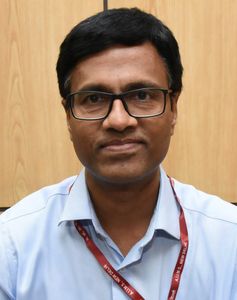
The unchecked and irrational use of antibiotics could soon push modern medicine into a dangerous corner, AIIMS Director Dr M. Srinivas has warned, cautioning that life-saving drugs may become ineffective if current practices continue. Calling the situation “deeply alarming,” the head of India’s premier medical institution said misuse of antibiotics is rapidly fuelling antimicrobial resistance (AMR)—one of the world’s gravest public health threats.
Dr Srinivas stressed that self-medication with antibiotics, especially for common ailments like cold, cough and viral fever, has become widespread and must stop immediately. “Antibiotics are not harmless pills. Taking them without medical advice is not just wrong—it is dangerous,” he said. Referring to Prime Minister Narendra Modi’s recent remarks on the issue during Mann Ki Baat, Dr Srinivas underlined that when national leadership raises such concerns, it signals the seriousness of the crisis. “Repeated and unnecessary antibiotic use allows bacteria to adapt and become stronger. Eventually, the very drugs meant to save lives stop working,” he explained.
The AIIMS Director highlighted that the institute follows a strict, protocol-driven antibiotic stewardship system, where specialised committees and senior clinicians decide the need, choice and duration of antibiotics based on globally accepted standards and Standard Operating Procedures (SOPs). AIIMS, he said, is serving as a national leadership model, training doctors across the country in rational antibiotic use.
Importantly, Dr Srinivas placed responsibility not only on patients but also on medical professionals. He acknowledged that antibiotics are sometimes prescribed even in clean, uncomplicated surgeries—an unsafe practice that must be corrected. “Incomplete courses and casual prescriptions only accelerate resistance,” he warned. Drawing a stark future scenario, the AIIMS Director said, “If we don’t act now, a time will come when even ICU patients will not have access to effective antibiotics. At that point, our treatment options will be dangerously limited.”
Dr Srinivas clarified that antibiotics work only against bacterial infections such as pneumonia, sepsis, meningitis, urinary tract infections and tuberculosis. They are ineffective against viral illnesses, yet are frequently misused, destroying beneficial bacteria in the body and weakening natural immunity. Medical experts note that repeated exposure to antibiotics enables bacteria to mutate, neutralise drug effects and even transfer resistance traits to other bacteria—making infections harder, costlier and sometimes impossible to treat.
Issuing a strong public appeal, Dr Srinivas urged citizens to never take antibiotics without a doctor’s prescription and to strictly follow prescribed dosages and duration. “What seems like a small shortcut today can trigger a massive health disaster tomorrow,” he cautioned. As antimicrobial resistance emerges as a global crisis, the AIIMS Director’s warning serves as a clear call for discipline, awareness and collective responsibility—from hospitals to households—before medicine itself runs out of answers.
 Modern Shrines Publications