

For millions of Indians battling uncontrolled Type 2 diabetes, life often becomes a relentless cycle of strict diets, medications and lifestyle changes—yet many still struggle to keep their blood sugar in check.
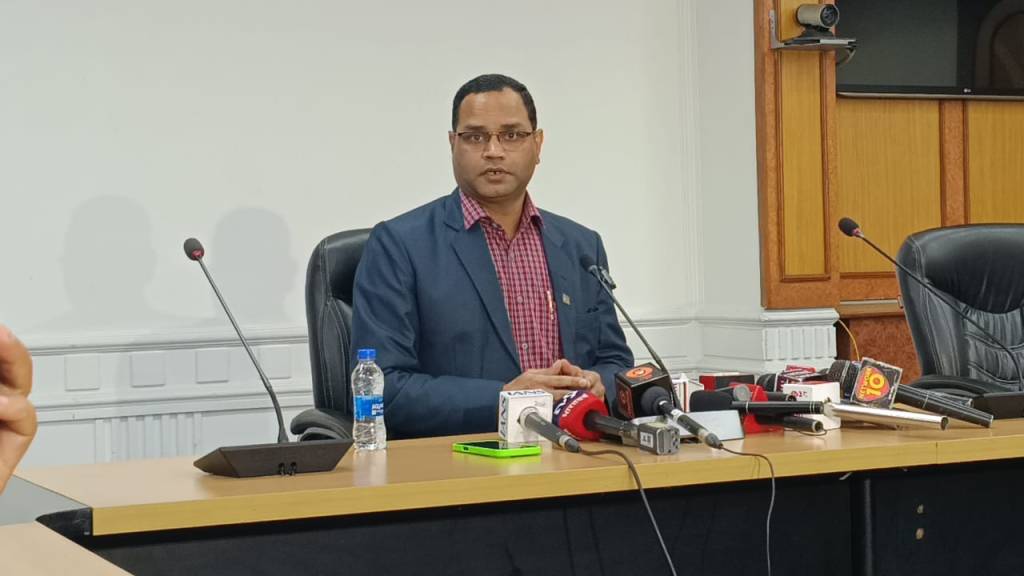
But a senior surgeon at the All India Institute of Medical Sciences (AIIMS), New Delhi, says a scientifically proven surgical option may offer long-term remission—and in many cases, complete freedom from diabetes medication.
Dr. Manjunath, Additional Professor in the Department of Surgical Disciplines at AIIMS, clarified that this procedure is widely misunderstood. It is not surgery on the pancreas. Instead, it is a metabolic surgery performed on the stomach and small intestine, specifically designed to treat uncontrolled Type 2 diabetes.
The surgery reshapes the stomach into a narrow tube and connects it directly to the small intestine, allowing food to bypass the duodenum. This rapid passage of food triggers the release of powerful gut hormones—particularly GLP hormones—that improve insulin sensitivity, reduce inflammation, normalise cholesterol and triglyceride levels, and strengthen overall metabolic health. In essence, the body begins using insulin more efficiently through natural hormonal pathways.
Sharing a striking case, Dr. Manjunath recalled a patient whose HbA1c level dropped from 11 percent to 6.5 percent within just three months of surgery—without the need for a single diabetes medicine.
He noted that such dramatic improvements can help prevent serious complications such as kidney failure, heart disease and nerve damage, all of which commonly affect individuals with long-standing uncontrolled diabetes.
Calling India’s situation a “double epidemic,” he said both diabetes and uncontrolled diabetes are rising sharply. Many patients mistakenly believe diabetes is only about fluctuating sugar levels. In reality, by the time they are diagnosed, nearly half their insulin-producing beta cells have already stopped functioning. When a patient reaches the point of needing insulin injections, only about ten percent of these cells remain.
Metabolic surgery helps preserve these remaining cells and eliminates the metabolic factors that impair insulin action—one reason patients often see improved sugar levels even before losing significant weight.
Globally, the procedure gained recognition in 2016 when the International Diabetes Federation officially endorsed it as a proven treatment for uncontrolled Type 2 diabetes, especially in individuals with obesity. Since then, national and international experience shows that even mildly obese—or non-obese—patients can benefit.
At AIIMS, Dr. Manjunath and his team have performed over 30 metabolic surgeries in the past year and three months. Every patient is now off diabetes medications. What struck the team the most was the speed of recovery: many patients showed near-normal blood sugar levels from the first postoperative day, far too early for weight loss to be the reason. This rapid improvement reflects the powerful hormonal and metabolic changes triggered immediately after surgery.
As India faces an escalating diabetes crisis, Dr. Manjunath believes there is an urgent need to raise awareness. Millions continue to struggle without knowing that a validated, safe and effective treatment option exists for uncontrolled Type 2 diabetes. He stressed that metabolic surgery is not cosmetic, not experimental and not a last resort—it is a globally accepted therapy when medicines fail to provide adequate control.
He insists this option could be life-changing for many Indians at risk of kidney failure, heart disease and lifelong disability. For some, it could mean the difference between a future defined by complications and one reclaimed with better health. India, he said, must begin discussing this treatment openly, scientifically and responsibly—before more lives are put at risk.
 Modern Shrines Publications